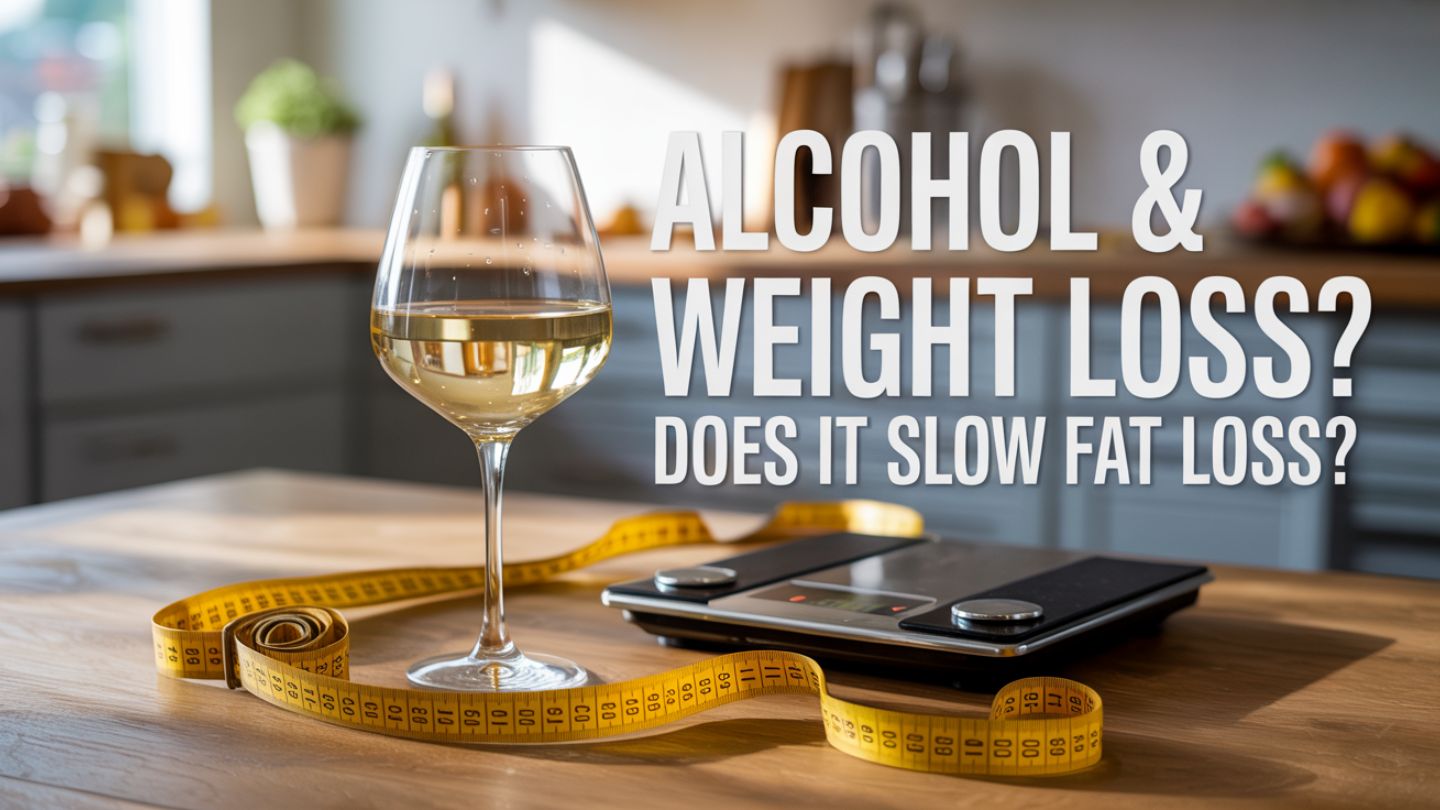
Many people enjoy a glass of wine with dinner or a beer with friends. But when you’re focused on a weight loss journey, you might wonder if alcohol is affecting weight loss. The short answer is yes. Understanding the effects of alcohol on weight loss is crucial for anyone trying to shed pounds and improve their health. While moderate drinking might be part of a balanced lifestyle for some, its impact on your body’s ability to lose weight is significant.
This blog will explore how alcohol consumption can interfere with your weight loss efforts. We’ll look at empty calories, their effect on your metabolism, and how they influence your food choices. The relationship between drinking alcohol and weight is complex, but with the right knowledge, you can make informed decisions that align with your health and weight loss goals.
The Calorie Conundrum of Alcohol
One of the most direct ways alcohol impacts weight loss is through its calorie count. Alcoholic beverages are often called “empty calories” because they provide energy but offer very little nutritional value. Your body processes the calories from alcohol differently than it does from food.
How Many Calories Are in Your Drink?
The number of calories in an alcoholic drink can be surprisingly high, and they add up quickly. For example:
- A standard 12-ounce beer contains about 150 calories. A light beer might have closer to 100.
- A 5-ounce glass of wine has around 125 calories.
- A 1.5-ounce shot of liquor like vodka or whiskey contains roughly 100 calories.
These numbers don’t even account for mixers. Cocktails often include sugary juices, sodas, and syrups, which can dramatically increase the total calorie intake. A single margarita or piña colada can pack over 300 extra calories. This alcohol calorie intake can easily push you over your daily energy intake goals, leading to weight gain instead of fat loss.
Alcohol and Nutrient Absorption
When you drink alcohol, your body prioritizes metabolizing it over other nutrients from the food you eat. The liver works hard to break down and clear the alcohol from your system. This process puts the metabolism of fats, carbohydrates, and proteins on the back burner. As a result, the energy from the food you consume is more likely to be stored as body fat while your body is busy processing the alcohol. This disruption to your metabolism is a key reason why drinking alcohol affects weight loss.
How Alcohol Affects Your Metabolism and Fat Burning
Beyond just adding calories, alcohol consumption directly influences your body’s metabolism. Does drinking affect weight loss by slowing down your body’s fat-burning engine? The evidence suggests it does.
When alcohol is present, your liver prioritizes it. This means your body temporarily stops burning fat for energy. One study showed that fat metabolism could decrease by over 70% after just two alcoholic drinks. This slowdown can stall your progress, especially if drinking is a regular habit. The body simply can’t efficiently burn stored fat when it’s constantly processing alcohol.
Furthermore, chronic alcohol use can have long-term effects on your metabolic rate. Excessive alcohol consumption can damage the liver, the primary organ for metabolism, leading to conditions like fatty liver disease, which further impairs its function. This not only contributes to weight gain and obesity but also poses serious health risks. Even moderate drinking can affect your body’s delicate hormonal balance, which plays a role in weight management.
Alcohol’s Influence on Appetite and Food Choices
Have you ever noticed that you feel hungrier after a few drinks? There’s a scientific reason for that. Drinking alcohol can increase your appetite. It affects the areas of the brain that control hunger, making you feel ravenous. This is why late-night, high-calorie food often seems like a great idea after an evening of drinking.
This increased food intake, combined with the calories from the alcoholic beverages themselves, creates a double-whammy for your weight loss efforts. The choices you make while under the influence are often not aligned with healthy eating. You’re more likely to reach for greasy, salty, or sugary foods, further derailing your progress. The cycle of drinking, overeating, and subsequent weight gain is a common pitfall.
There are many common misconceptions about shedding pounds, and it’s easy to fall for them. Understanding the truth behind the biggest myths about weight loss can help you stay on track and avoid self-sabotage, including the belief that liquid calories from alcohol don’t count as much.
The Psychological Impact of Drinking on Weight Loss
Achieving a weight loss goal requires discipline, motivation, and consistency. Alcohol can undermine all three. Drinking can lower your inhibitions and impair your judgment, making it harder to stick to your diet and exercise plans. A night of heavy drinking or binge drinking can leave you feeling sluggish and dehydrated the next day, making it highly unlikely you’ll want to hit the gym or prepare a healthy meal.
This can create a cycle of poor choices that hinders progress. The initial act of drinking leads to poor food choices, followed by a lack of motivation for healthy habits the next day. This pattern can be incredibly discouraging and make you feel like your weight loss efforts are futile. For some, what starts as social drinking can evolve into a more serious issue like alcohol abuse, alcohol dependence, or even an alcohol use disorder. Addiction can make any health goal, including managing your weight, feel impossible.
When you’re trying to lose weight, every choice matters. Simple, effective strategies are key to success. Incorporating practical weight loss hacks into your daily routine can help you build momentum and see real results, including being mindful of your alcohol consumption.
Making Smart Choices About Alcohol and Weight
So, does drinking alcohol affect weight loss to the point where you must give it up completely? Not necessarily. It’s possible to enjoy alcohol in moderation without completely derailing your weight loss journey. The key is to be strategic and mindful of your intake.
If you choose to drink, opt for lower-calorie options. A light beer, a glass of dry wine, or a spirit mixed with a zero-calorie mixer like soda water are better choices than sugary cocktails. It’s also important to set limits for yourself before you start drinking and stick to them. Moderate alcohol consumption is typically defined as up to one drink per day for women and up to two drinks per day for men.
Ultimately, finding the right support system is a crucial part of any health transformation. Learning how to choose the best weight loss clinic can provide you with the professional guidance and personalized plans needed to navigate challenges like social drinking and achieve your goals sustainably.
Conclusion
In this blog, I explored how alcohol consumption affects weight loss from multiple angles. Alcohol adds empty calories, slows metabolism, increases appetite, and often leads to poor food choices. When drinking becomes frequent, it can interfere with fat loss, disrupt weight management, and contribute to weight gain over time. While moderate drinking may fit into some lifestyles, excessive or habitual alcohol intake can significantly stall progress and make achieving a weight loss goal more challenging.
For women seeking sustainable results, personalized support matters. At women’s weight loss in Spokane, I focus on evidence-based strategies that address real-life challenges like alcohol use, metabolism, and hormonal balance. Through options such as semaglutide weight loss for women, comprehensive weight loss management, targeted women’s weight loss injections, and physician-guided medical weight loss, I help patients create realistic plans that support long-term success. If alcohol has been holding back your progress, I encourage you to contact us so we can work together toward a healthier, more confident you.