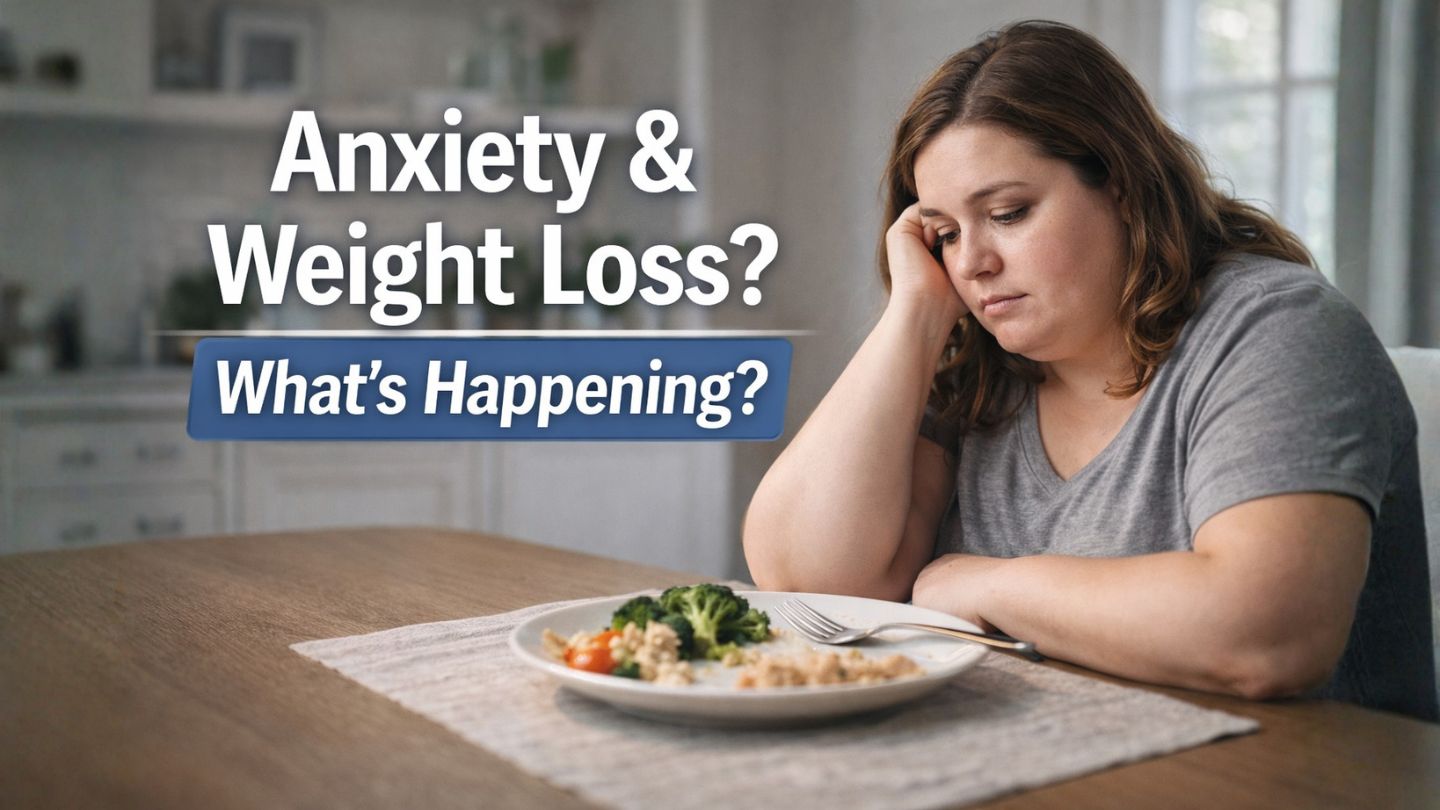
When it comes to unexpected changes in body weight, many women begin to ask an important question: does anxiety cause weight loss in women? While weight loss is often associated with intentional lifestyle changes, emotional factors like stress and anxiety can also play a significant role in how the body responds. These changes can affect appetite, metabolism, and daily habits, making weight fluctuations more complex than they seem. Understanding whether anxiety can cause weight loss, and how it impacts overall health, is essential for creating a balanced and sustainable approach. With the right professional guidance, women can better manage both emotional well-being and long-term weight management.
Understanding the Link Between Anxiety and Weight Loss
To answer the question, can anxiety cause weight loss, it is important to look at how the body responds to stress. Anxiety triggers the release of stress hormones, which can influence appetite, digestion, and energy levels. For some women, this can lead to reduced hunger or changes in eating patterns. When asking whether anxiety causes weight loss, the answer varies depending on the individual. Some may notice a decrease in appetite, while others may experience fluctuations in their weight over time. These changes are often tied to how the body processes stress and how it affects daily habits.
Do stress and anxiety cause weight loss? In many cases, yes, it can influence weight by altering eating behaviors and metabolism. However, these changes are not always consistent or sustainable, which is why a structured and professionally guided approach to weight management is essential.
How Anxiety Affects Appetite and Metabolism
Anxiety can impact both appetite and metabolism, two key factors in weight management. When the body is under stress, it may prioritize survival responses over normal digestive functions. This can lead to decreased hunger signals and reduced calorie intake. It is also important to understand how stress, cortisol, and GLP-1 medications impact weight loss results when evaluating the connection between emotional health and body weight.
At the same time, anxiety can also increase energy expenditure due to heightened alertness and physical tension. This combination may contribute to weight loss in some women. However, these changes are often temporary and may not support long-term health goals.
Understanding how anxiety affects the body helps highlight the importance of a balanced approach. Sustainable weight loss is not just about reducing weight; it’s about maintaining proper nutrition, supporting metabolism, and ensuring overall well-being.
The Role of Emotional Health in Weight Management
Emotional health plays a significant role in weight management. Anxiety can influence daily habits, including eating patterns, activity levels, and sleep quality. These factors all contribute to how the body gains or loses weight.
Can anxiety cause weight loss in women in a healthy way? While it may lead to changes in weight, it does not necessarily support a structured or sustainable approach. True progress comes from aligning both physical and emotional health through professional guidance. A stronger foundation for progress often begins with handling anxiety in a way that supports both emotional well-being and healthy weight management habits. In addition, weight is not the only marker of healthy bodies so talking to your healthcare professional can make sure you know where you are at on the spectrum of health.
A medically guided plan takes these factors into account, helping women achieve their goals while maintaining balance. This ensures that weight loss is not only effective but also supportive of long-term health.
Why Professional Support Matters
When dealing with weight changes influenced by anxiety, professional support becomes essential. A structured plan helps address both the physical and emotional aspects of weight management, ensuring that progress is consistent and sustainable.
Professionals can help identify patterns, provide guidance, and create personalized strategies that align with individual needs. This approach helps women stay on track while maintaining overall wellness. Professional guidance can also help patients avoid weight loss mistakes women commonly make and how to fix them while building a more sustainable path forward.
Rather than relying on temporary changes, a professionally guided program focuses on long-term success. It provides the structure needed to achieve meaningful results while supporting both mental and physical health.
Creating a Balanced Approach to Weight Loss
Achieving lasting results requires more than just focusing on weight; it requires a comprehensive approach that supports the entire body. This includes managing stress, maintaining proper nutrition, and following a structured plan designed for sustainable weight management. A well-structured plan can also help women better understand how weight loss affects cholesterol levels in women as part of a broader approach to long-term wellness.
A balanced approach ensures that weight loss is achieved in a way that supports overall health. It helps prevent fluctuations and promotes consistency, allowing women to feel confident in their progress.
By addressing both emotional and physical factors, individuals can achieve their weight loss goals while maintaining a healthy and stable lifestyle.
Supporting Long-Term Wellness
Long-term wellness is about more than achieving a number on the scale. It involves creating habits and routines that support ongoing health and stability. Understanding how anxiety interacts with the body allows for a more informed and effective approach to weight management. Long-term success is often strengthened by following effective weight loss management strategies for a healthy lifestyle that support consistency and overall well-being.
With the right support, women can navigate these challenges and achieve lasting results. This includes maintaining a healthy balance between emotional well-being and physical health, ensuring that progress is sustainable over time. A professionally guided plan provides the tools and support needed to achieve this balance, helping women feel empowered and confident in their journey.
Conclusion
Understanding whether anxiety causes weight loss in women highlights how closely emotional well-being and physical health are connected. While anxiety and stress can influence appetite, metabolism, and daily habits, lasting and meaningful weight loss requires a structured and balanced approach. By addressing both emotional and physical factors, women can achieve consistent progress while supporting long-term weight management and overall wellness.
At my weight loss clinic in Spokane, I provide personalized, medically guided care that supports both emotional wellness and physical health through services such as medical weight loss, non-surgical weight loss, weight-loss management, weight-loss nutrition, and women’s weight-loss injections. I focus on creating structured, sustainable plans that align with your lifestyle and help you achieve lasting results with confidence. If you’re ready to take the next step toward a healthier, more balanced life, I’m here to guide you with the right support and a plan tailored specifically to your needs.