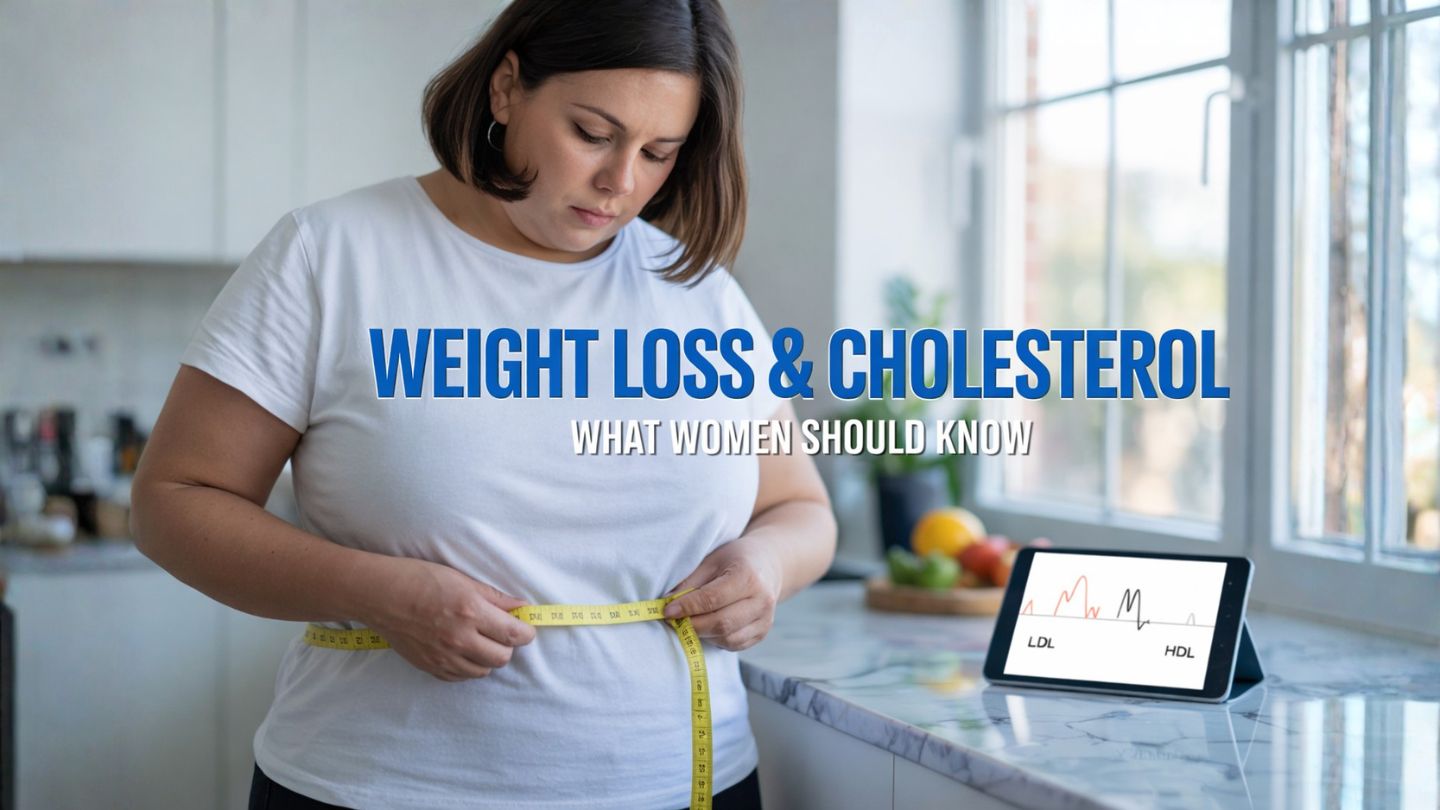
For many women, achieving better health goes beyond appearance; it involves improving the internal factors that support long-term wellness. One of the most important of these factors is maintaining balanced cholesterol levels, which play a key role in overall cardiovascular health. Excess weight can contribute to high cholesterol, increasing the risk of serious conditions such as heart disease. This is why many women choose medically supervised weight loss programs that focus not only on reducing weight but also on improving important health markers. Understanding how weight loss affects cholesterol levels in women can help highlight the powerful connection between effective weight management and long-term heart health.
Understanding Cholesterol and Its Role in Women’s Health
Before exploring the impact of weight loss on cholesterol levels in women, it is helpful to understand what cholesterol actually does in the body. Cholesterol is a waxy substance that helps build cells and produce important hormones. However, when cholesterol levels rise too high, it can lead to the buildup of plaque in the arteries, increasing the risk of heart disease and other cardiovascular conditions.
Many women develop high cholesterol due to a combination of factors, including hormonal changes, metabolism, lifestyle patterns, and genetic predisposition. In some cases, healthcare providers may recommend cholesterol medication to help regulate these levels. However, a medically guided weight loss plan can play an equally powerful role in improving cardiovascular health. By reducing excess weight, the body often becomes more efficient at managing fats and regulating cholesterol levels, leading to improvements in overall metabolic balance.
How Weight Loss Impacts Cholesterol Levels in Women
Understanding how weight loss impacts cholesterol levels in women requires looking at the relationship between body fat and metabolic health. When excess weight accumulates, the body may struggle to properly process fats in the bloodstream. This imbalance can contribute to elevated cholesterol levels and increase the likelihood of developing high cholesterol. As women begin a medically supervised weight loss program, the body gradually becomes more efficient at metabolizing fat. This process can help lower cholesterol and improve the balance between different types of cholesterol circulating in the blood.
As weight loss progresses, many women experience improvements in their cholesterol levels, which can significantly reduce the risk of developing heart disease. These improvements are especially meaningful when weight reduction is achieved through a medically guided approach that prioritizes long-term health and sustainable results. Many women also find it helpful to understand the difference between weight loss and fat loss, since reducing excess body fat is often closely connected to improvements in cholesterol levels and metabolic health.
The Connection Between Weight Loss and Heart Health
One of the most important benefits of medically supervised weight loss is its positive influence on cardiovascular health. Women who successfully reduce excess weight often see improvements in blood pressure, metabolic efficiency, and cholesterol levels. When discussing weight loss and its effect on cholesterol levels in women, it becomes clear that reducing excess body fat can help lower cholesterol and support healthier blood circulation. This change reduces the likelihood of plaque buildup in the arteries, which is one of the leading contributors to heart disease. Because professional guidance plays such an important role in long-term success, many women also spend time learning how to choose the best weight loss clinic before beginning a medically supervised weight management program.
Women who begin a structured weight management program frequently report that improving their cholesterol levels becomes a powerful motivator for continuing their health journey. Knowing that every step toward a healthier weight also supports heart health provides additional encouragement throughout the process.
Why High Cholesterol Is a Concern for Women
While high cholesterol can affect individuals of all genders, women often experience unique risk factors. Hormonal changes during different life stages can influence cholesterol levels, sometimes making it more challenging to maintain balance without professional support. Emotional well-being can also influence overall health outcomes, which is why addressing stress and managing anxiety effectively can support long-term weight management and heart health.
Elevated cholesterol levels increase the likelihood of developing cardiovascular complications such as heart disease, which remains one of the leading health concerns for women. When excess weight is also present, these risks may become even more significant. Through medically guided weight loss, women can take proactive steps toward improving metabolic health and reducing the likelihood of developing high cholesterol in the future.
The Role of Healthy Fat Balance in Cholesterol Management
One important aspect of improving cholesterol levels involves understanding how dietary fats influence the body. Excess consumption of certain fats, particularly saturated fat, can contribute to increased cholesterol levels and may lead to high cholesterol if left unmanaged.
A structured weight loss program guided by a healthcare professional helps women develop healthier eating patterns that support balanced metabolism. By reducing excess weight, the body becomes better equipped to regulate fats in the bloodstream and maintain healthier cholesterol levels. As these improvements take place, women may see their cholesterol levels gradually stabilize, contributing to improved cardiovascular wellness and a lower risk of heart disease.
Professional Weight Loss Programs and Cholesterol Improvement
While lifestyle adjustments play a role in improving health markers, medically supervised weight loss programs provide a structured pathway that maximizes results. Healthcare providers carefully evaluate each patient’s health profile and design personalized treatment strategies that address both weight management and metabolic health. Understanding nutritional balance is also important in medically supervised programs, and many women benefit from learning how many calories they should eat daily to lose weight while supporting sustainable metabolic health.
Professional programs often focus on helping women achieve gradual, sustainable weight loss while monitoring important indicators such as cholesterol levels and cardiovascular health. This approach ensures that improvements are not only visible externally but also reflected internally through healthier metabolic markers. Women who participate in medically supervised programs frequently find that achieving a healthier weight leads to meaningful improvements in cholesterol levels, which may reduce the need for long-term cholesterol medication in certain cases.
Long-Term Benefits of Weight Loss for Cholesterol Control
The long-term impact of weight loss on cholesterol levels in women extends far beyond short-term improvements. As women maintain a healthier weight, their bodies become better equipped to regulate metabolic processes that influence cholesterol levels. Maintaining balanced cholesterol levels is essential for protecting the heart and preventing conditions such as heart disease. By committing to a medically guided weight loss journey, women can strengthen their cardiovascular health and support long-term wellness.
Over time, consistent weight loss and improved metabolic balance help the body maintain healthier cholesterol levels, reducing the likelihood of developing high cholesterol and other related health concerns.
Conclusion
Improving overall health often begins with understanding the connection between weight loss and important health markers like cholesterol levels. When women reduce excess weight through a structured and medically guided approach, the body can become more efficient at regulating fats in the bloodstream. This process can help lower cholesterol, improve metabolic balance, and support better cardiovascular health while reducing the long-term risk of heart disease. With the right professional guidance, women can achieve sustainable weight loss while also improving their overall wellness and long-term heart health.
I focus on helping women achieve healthier lifestyles through personalized medical weight management programs. Through my approach to Women Weight Loss in Spokane, I guide patients toward sustainable weight loss and improved metabolic health with treatments tailored to their individual goals. In addition to comprehensive programs, I also provide advanced options, including Wegovy injection, tirzepatide treatment, semaglutide for weight loss, and weight-loss injections for women to support safe, effective weight loss while promoting balanced cholesterol levels and long-term health. Ready to improve your health and start your transformation? Contact me today to begin your journey.