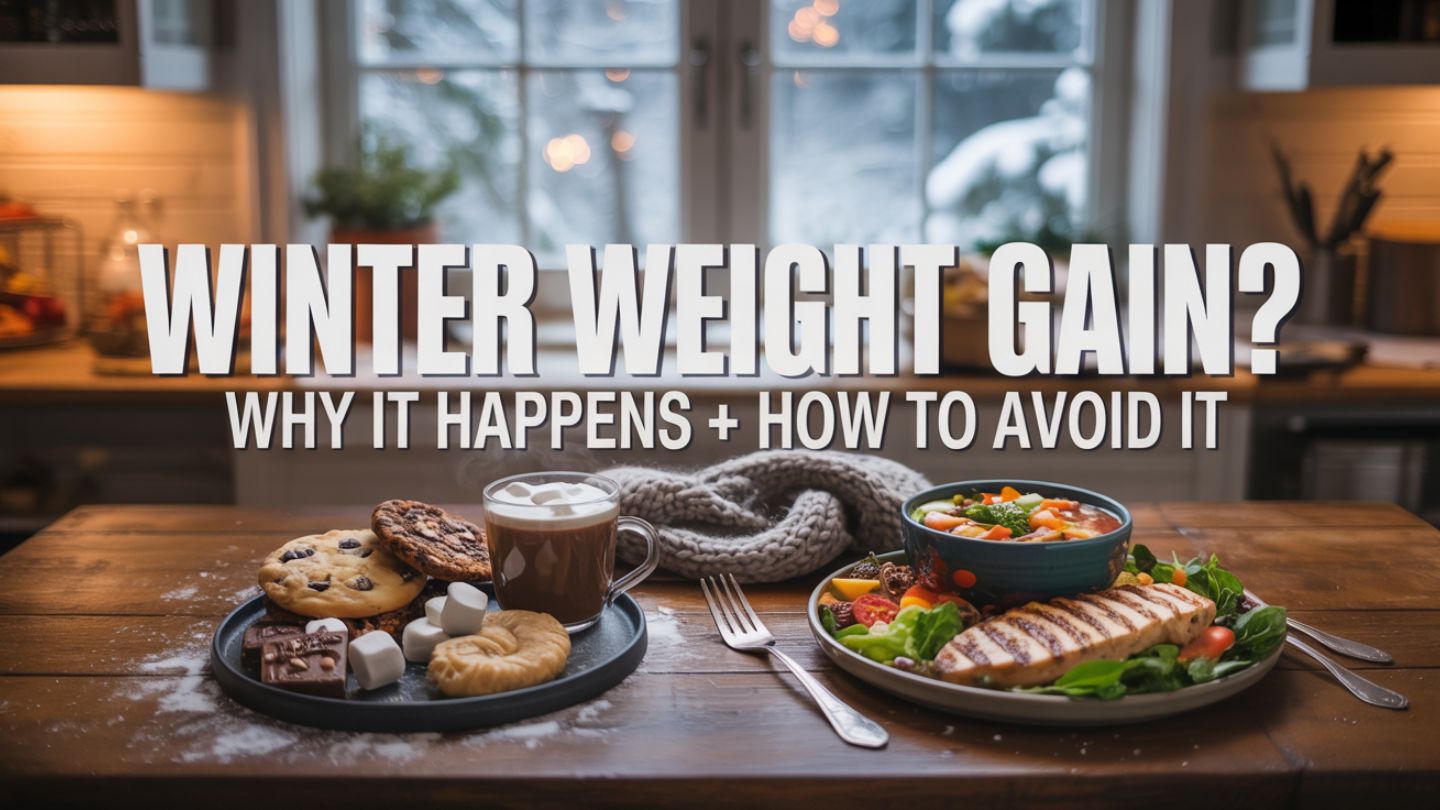
As the leaves fall and the temperature drops, many of us notice a subtle but frustrating change: our clothes start to feel a little tighter. It isn’t just you; this phenomenon is incredibly common. The changing seasons bring shifts in our environment, our routines, and even our biology, often resulting in what is commonly known as winter weight gain: why it happens and tips to avoid it are questions on many minds as the calendar turns toward December.
Understanding the root causes of this seasonal weight gain is the first step toward maintaining a healthy weight year-round. Whether it’s the lure of holiday treats or the urge to hibernate, battling the bulge during winter months requires a blend of strategy, mindfulness, and healthy habits.
Why Does Weight Gain Happen in Winter?
The accumulation of extra pounds during the colder months isn’t simply a lack of willpower. There are physiological and psychological forces at play.
The Biological Drive to Conserve Energy
Historically, winter meant food scarcity. Our ancestors needed to store energy to survive colder temperatures. While we now have heated homes and supermarkets, our bodies still possess an evolutionary drive to hold onto body weight when the mercury drops. This biological impulse can lead to increased appetite and a slower metabolism.
The “Winter Blues” and Emotional Eating
Shorter days and longer nights can impact our mood. Reduced exposure to sunlight often leads to lower levels of serotonin, a mood-regulating neurotransmitter. This drop can trigger emotional eating, where we seek comfort in high-calorie foods loaded with carbohydrates to boost our mood. This is often exacerbated by a lack of Vitamin D, which plays a crucial role in mood regulation and weight management.
Furthermore, the season is often hectic. Navigating the winter holidays, family gatherings, and year-end deadlines creates pressure. It is important to understand how too much stress can lead to weight gain. When cortisol levels spike due to stress, our bodies are prompted to store visceral fat, making it harder to maintain a healthy weight.
Hormonal Factors
For many, hormones play a silent but significant role in unwanted weight gain. Fluctuations in our internal chemistry can make resisting cravings difficult. This is particularly true for women, as the major hormones responsible for weight gain in women can be influenced by lifestyle changes associated with the season, compounding the difficulty of keeping the scale steady.
The Impact of Lifestyle Changes
Reduced Physical Activity
When cold weather hits, our motivation for outdoor activity often freezes over. The evening jog is replaced by an evening on the couch. This reduced physical activity creates a calorie imbalance. We continue eating the same amount, or more, while burning fewer calories throughout the day. Even non-exercise activity, like walking to the car or gardening, decreases significantly.
Changes in Eating Habits
During summer, we crave light salads and fresh fruits. In winter, we crave hearty stews, casseroles, and rich desserts. These food choices are often denser in calories. Additionally, the winter holidays present a parade of opportunities for overeating, from Thanksgiving feasts to New Year’s toasts.
The dark evenings also contribute to sedentary snacking behaviors. You might wonder, does eating late at night lead to weight gain? The answer often lies in the types of food we choose during these hours and the disruption to our circadian rhythms, which can negatively impact how our body processes sugar and fat.
Actionable Tips to Avoid Weight Gain in Winter
Preventing gradual weight gain requires intention. Here are practical strategies to help you stay on track with your weight loss goals.
Prioritize Mindful Eating and Nutrition
Combat the urge to hibernate with food by focusing on healthy eating.
- Balance Your Plate: Ensure your meals are rich in protein, fiber, and healthy fat. These nutrients keep you satiated longer, reducing the likelihood of cravings.
- Watch the Calories: Be mindful of your calorie intake. You don’t need to count every crumb, but being aware of food intake helps prevent calorie
- Smart Swaps: Replace high-calorie foods with healthier alternatives. Swap creamy soups for broth-based ones and heavy casseroles for roasted vegetables.
- Mindful Eating: Slow down. Pay attention to hunger cues rather than eating out of boredom or cold.
Stay Active Despite the Cold
Don’t let colder weather halt your physical activity.
- Indoor Workouts: If cold temperatures are a barrier, switch to indoor exercises like yoga, home circuit training, or joining a gym.
- Embrace Winter Sport: Skiing, snowshoeing, or even ice skating are excellent ways to burn energy.
- Maximize Brown Fat: Interestingly, exposure to cold can activate brown fat, a type of fat tissue that burns energy to generate heat. While we usually bundle up, short exposure to cool air during a brisk walk can be beneficial.
Manage Your Environment
A great winter tip is to remove temptation. If you don’t buy the cookies, you can’t eat them. Keep healthy foods visible and accessible. Additionally, managing your blood sugar levels by avoiding excessive sugary snacks will help keep your energy stable and appetite in check.
Focus on Composition, Not Just Weight
When tracking your progress, it is vital to understand exactly what you are measuring. Learning what the difference is between weight loss and fat loss can help you set realistic expectations. You want to lose excess fat while maintaining lean muscle, which keeps your metabolism firing efficiently.
When Diet and Exercise Aren’t Enough
Sometimes, despite balanced meals and a solid healthy eating habit, the extra weight refuses to budge. For some individuals, biology fights back hard against weight loss. In these cases, medical intervention, such as weight loss medication, might be a necessary tool to help reset the body’s set point.
Weight management is a complex medical issue, not just a matter of willpower. If you find yourself struggling with significant winter weight year after year, professional guidance can provide the personalized strategy you need.
Conclusion
Winter weight gain is influenced by a mix of biological responses, environmental changes, and psychological habits, but it doesn’t have to derail your progress. By staying consistent with physical activity, being mindful of eating habits, managing calorie intake, and ensuring adequate Vitamin D during the winter months, you can protect your healthy weight. Small, intentional choices made daily are far more powerful than drastic changes. With the right approach, winter can be a season of balance rather than unwanted weight gain.
If you’re ready for expert guidance, weight loss online in Spokane offers personalized care designed to fit your lifestyle and goals. I am here to provide comprehensive solutions through weight loss management, customized plans rooted in weight loss nutrition, effective non-surgical weight loss options, and physician-guided medical weight loss support. Contact me today to schedule your consultation and let us help you take control of your health this winter.