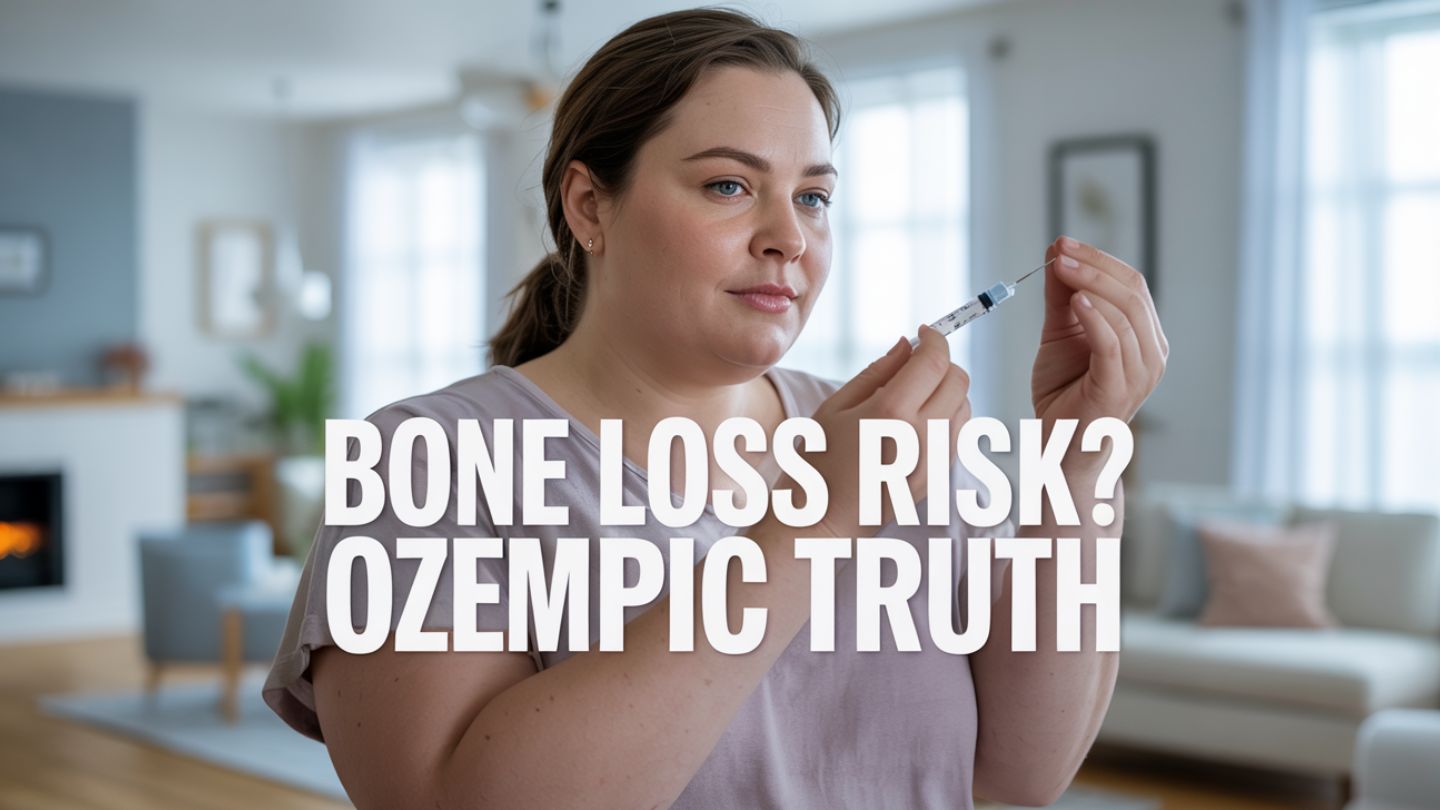
Obesity is more than just a health statistic—it’s a condition that influences many aspects of life, from physical energy to mental well-being. But here’s the good news—wherever you may fall on the spectrum, understanding the classifications of obesity gives you the keys to taking charge of your health. Knowledge is empowering, and by learning more about obesity, you can unlock strategies that are effective, sustainable, and tailored just for you.
Obesity is categorized into three classes based on Body Mass Index (BMI). These classifications offer a structured way to evaluate potential risks and determine the most fitting approaches to manage them. Whether you’re dealing with mild, moderate, or more significant challenges, there are holistic, supportive pathways that make it possible to feel stronger and healthier without relying on invasive interventions.
Class 1 Obesity (BMI 30-34.9)
What is Class 1 Obesity?
Class 1 obesity represents the starting point of the obesity spectrum, with a BMI ranging from 30 to 34.9. Sometimes described as low-risk obesity, it reflects the point where the body begins to ask for attention. It’s not something to fear—it’s a gentle call to explore what might be getting in the way of your goals and what changes can help you thrive.
Characteristics and Health Implications
This early stage of obesity is often accompanied by mild physical effects. You might notice occasional joint discomfort, beginning signs of hypertension, or increased fatigue. While these shifts may not feel significant, they are hints that your body could benefit from some extra care and attention.
Key risks associated with Class 1 obesity include higher blood pressure, elevated cholesterol, and a potential increase in blood sugar levels—all warning signs for conditions like diabetes or heart disease. Physically, these shifts can feel limiting, but emotionally, they may also weigh on your sense of confidence or self-worth.
Management Strategies
Addressing Class 1 obesity is all about reconnecting with what your body truly needs. Instead of focusing on perfection, think about small, achievable steps. Does your diet leave you feeling nourished and energized? If not, it’s time to explore foods that balance your energy and satisfy you on a deeper level. Meal planning or cooking even a few meals at home each week can be a great way to ensure you’re giving your body the nutrients it craves. Start off simple with meal replacements and work your way into meal prepping with premade meals or meal kits delivered to your home. Then, you can start to add in precut items from the grocery store and move onto prepping everything yourself. Small steps and find support with a local dietician or cooking classes to help you get excited about being in the kitchen.
Movement is another game-changer. Consider activities that genuinely excite you—it could be yoga, walking with your dog or friends, or even paddle boarding if you’re drawn to nature. The goal is to make movement a joy, not a chore. Start here and then add goals of time or intensity once you find the thing you love. If you’re unsure where to start, reaching out to a medical weight loss provider, physical therapist, or sports medicine provider can provide you with individualized exercises that work for your current fitness level.
It’s also important to recognize reasons why weight loss is harder for women than men, as factors such as hormonal differences, body composition, and metabolic changes can all play a role. Acknowledging these challenges can help you approach your health journey with more compassion and realistic expectations.
Lastly, connecting with a medical weight loss provider or nutritionist can empower you with personalized insights into your health. From a dietary assessment to tools like smart scales or food diaries to medications to help you achieve your goals, these steps can make it easier to track progress and set realistic goals. Most of the time you will need assistance with medication to help make your goals a reality due to insulin resistance.
Class 2 Obesity (BMI 35-39.9)
What is Class 2 Obesity?
Moderate or Class 2 obesity, with a BMI range of 35 to 39.9, reflects a greater impact of excess weight on daily life. The physical, emotional, and even social challenges can be more noticeable at this stage. But with the right mindset and resources, you can turn obstacles into opportunities for growth.
Characteristics and Health Implications
At this level, weight-related health problems like type 2 diabetes, sleep apnea, or persistent joint pain may become more pronounced. Everyday tasks like climbing stairs or keeping up with your kids might feel like bigger challenges.
Emotionally, it’s common to feel frustration, shame, or even burnout from repeated cycles of dieting. The blame isn’t on you. These emotions arise because weight gain and loss are deeply interconnected with not just your habits but also your biology, environment, and unique genetics.
Management Strategies
Managing Class 2 obesity involves creating a structure that supports your physical and emotional well-being while honoring your individuality. A great first step is to take a curious, non-judgmental approach to explore what’s getting in your way. Does stress trigger your eating habits? Do you feel too tired at the end of the day to exercise? Identifying these patterns gives you clarity on how to break free from them.
Nutrition and movement remain key pillars, but they don’t have to be complicated. Incorporate simple changes like swapping sugary snacks for whole foods or finding workouts that fit your schedule and mood. Personalization is key—if your weekdays are packed, focus on batch-cooking weekend meals or experimenting with short online exercise routines.
Adding structured health programs can create a more holistic management plan. Consider opportunities to connect with medical weight loss health professionals and join group settings that keep you accountable and motivated. Look for options that focus on your unique needs—whether it’s meal planning, finding enjoyable physical activities, or working through the emotional aspects of weight management.
Above all, self-compassion makes a huge difference at this stage. Realizing that you are not alone and seeking community or professional support can ease the burden on your shoulders and reinforce that progress isn’t linear—and that’s perfectly okay.
Class 3 Obesity (BMI 40 and above)
What is Class 3 Obesity?
Class 3, often referred to as severe obesity, is where BMI reaches 40 or above. It represents a more advanced stage of obesity, where the effects on health and daily life are more pronounced. Rather than seeing this as a stopping point, view it as a chance to reset—a powerful opportunity to focus inward and take charge of your health in ways that bring balance and joy. Of note, BMIs over 50 often use bariatric surgery due to the economic, health, social, and mental impacts of weight. It is a well studied, safe procedure that is indicated for anyone with a BMI over 40. Post procedure your surgeon will still see you yearly for follow ups, but referrals into weight loss specialist (Obesity Medicine) can help keep the weight off longitudinally. Ask for a referral once you have surpassed your 6 month evaluation post procedure.
***Did you know that Obesity Medicine specialist are also trained in caring for patients post bariatric procedures? ***
Characteristics and Health Implications
This stage of obesity carries heightened health risks, including more serious challenges such as cardiovascular conditions, hormonal imbalances, and reduced energy levels. Mobility issues may limit some of the activities you once loved, and energy dips may make it harder to stay active.
Emotionally, this stage might bring feelings of isolation or frustration. However, acknowledging these emotions can be the first step in moving forward with a supportive plan.
Management Strategies
Even when the challenges feel daunting, holistic and non-invasive solutions exist to empower meaningful, lasting change. Eating habits play a critical role at this level, but instead of restrictive diets, focus on balance and satisfaction. Start by adding nutrient-dense, energy-boosting foods rather than focusing solely on what to eliminate. Foods that support stable blood sugar levels—like lean proteins, whole grains, and healthy fats—can make a noticeable difference in your energy and mood.
For movement, focus on gentle, intuitive exercise that respects your body’s current limits. Whether it’s low-impact water aerobics or chair yoga, tailoring exercise to your comfort level ensures that activity feels like an achievement, not a struggle. Ensuring a physical therapist is helping manage your movement care plan is an essential part of losing the weight safely and protecting your joints.
Mental well-being and emotional healing are just as critical for progress. Partner with a counselor, coach, or supportive group to help you process past struggles and create a future vision where you feel strong, capable, and confident. Addressing stress, trauma, or cycles of self-criticism can release emotional barriers that have held you back.
This is also an ideal time to consider medical evaluations that explore the root causes behind the changes in your body. Working closely with healthcare professionals can provide clarity on how factors like hormonal imbalances, metabolic shifts, or sleeping patterns affect your progress. As you lose weight you can also look forward to plastic surgery to help with skin excisions and removal of lipedema tissues as needed. The whole care team wants you to be able to move without restriction, including buying clothes!
Choosing Your Path Forward
Understanding the three classes of obesity highlights just how unique every health journey is and how medical specialists should tailor treatment to each class and patient. No matter where you fall within these categories, the key takeaway is that progress starts with personalized medical care, early intervention, and small, consistent actions. These steps not only improve physical health but also enhance your overall quality of life, guiding you toward a vibrant future full of possibilities.
At my weight loss clinic, I understand how challenging it can be to navigate your health journey alone. That’s why I offer personalized, medically supported weight loss programs in Spokane, which are designed to fit your unique needs and lifestyle, providing the tools, education, and ongoing support you need to succeed.
You deserve to feel strong, confident, and in control of your health. Take the first step today—schedule your FREE consultation with me, and together, we will create a plan that works for you. Your healthier, happier self is waiting, and I’m here to help you every step of the way!