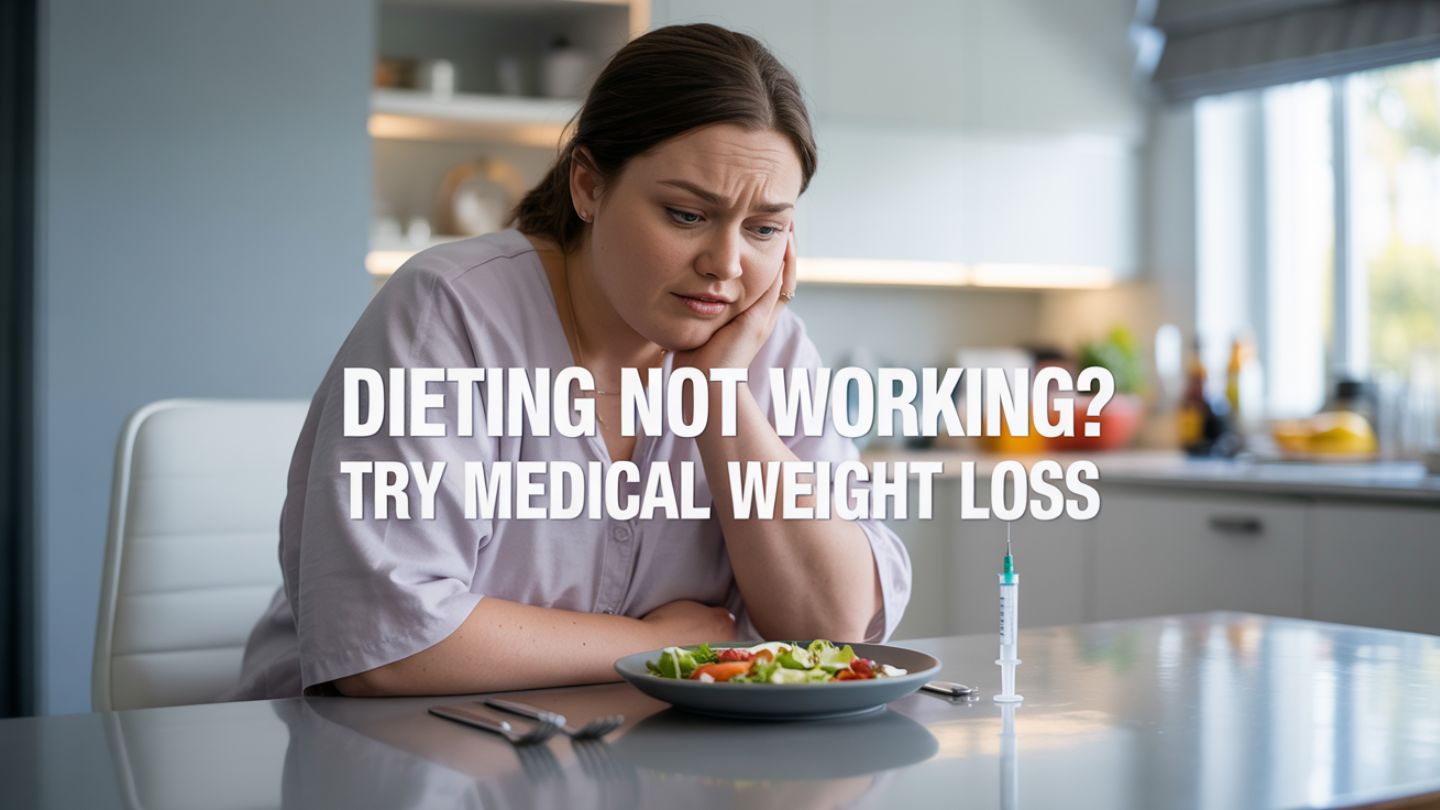
For many people struggling with chronic obesity, the arrival of GLP-1 medication has felt like a turning point. You may have seen the headlines or heard success stories about significant transformation, but one critical question often remains unanswered: is this a temporary fix, or a lifelong commitment? Understanding how long can you stay on Ozempic for weight loss is essential for anyone considering this treatment path. It is not just about reaching a number on the scale; it is about understanding the long-term management of your metabolic health.
Understanding Ozempic and How It Works
Before discussing duration, it helps to understand what you are putting into your body. Ozempic contains semaglutide, an active ingredient that functions as a GLP-1 agonist. Originally designed as a diabetes medication to help control blood sugar levels in adults with type 2 diabetes, doctors quickly noticed an important side effect: significant weight loss.
This prescription medication mimics a hormone your gut produces naturally. It signals to your brain that you are full, slows down gastric emptying, and helps regulate blood sugar. Because it addresses biological drivers of hunger, it is often more effective than diet and exercise alone. However, not all GLP-1 drugs are the same. If you are exploring your options, it is helpful to understand the mounjaro vs ozempic 5 differences you should know about to see which profile suits your physiology best.
Is It a Short-Term Fix or Long-Term Treatment?
A common misconception is that you take a weight loss drug until you hit your goal weight, and then you simply stop. However, medical experts increasingly view obesity as a chronic condition, similar to hypertension or diabetes. You wouldn’t stop taking blood pressure medication just because your numbers normalized, and the same logic often applies here.
Most patients see the most rapid changes in body weight during the first year of treatment. However, the goal isn’t just dropping pounds; it is about changing your body composition. It is crucial to distinguish what you are actually losing, which is why understanding what’s the difference between weight loss and fat loss is vital for tracking true progress. Focusing on fat reduction rather than just scale weight ensures you maintain muscle mass, which is key for a healthy metabolism.
How Long Can You Stay on Ozempic for Weight Loss?
Technically, you can stay on Ozempic indefinitely, provided your doctor monitors you and you tolerate the medication well. There is no specific time limit set in the prescribing information that requires you to stop after a certain number of months. In fact, many providers of medical weight loss view it as a long-term maintenance therapy.
When you ask how long should you take ozempic for weight loss, the answer depends on your health status. If you have type 2 diabetes, you might be on it for life to maintain blood sugar control. For those using it strictly for weight management, the duration is often determined by whether you can maintain your results without the drug.
Stopping the medication often leads to a resurgence of appetite. Studies show that when people stop taking semaglutide, weight regain is common. The biological mechanisms that drove the weight gain in the first place, such as insulin resistance or hormonal imbalances, often return once the GLP 1 medicine leaves your system. Therefore, sustained weight loss usually requires staying on a maintenance dose or transitioning to a very strict lifestyle regimen.
The Role of Lifestyle Changes
While Ozempic is a powerful tool, it is not a magic wand that works in isolation. For the medication to be truly effective over the long term, it must be paired with healthy lifestyle changes. Relying solely on the drug without adjusting your habits often leads to plateaus or regain if you ever need to lower your dose.
Building a robust foundation is critical. You need to integrate the essential components of a successful weight loss plan into your daily routine. This includes prioritizing physical activity, managing stress, getting adequate sleep, and nutrition. These healthy habits act as a safety net, ensuring that your weight loss journey continues even if your medication dosage changes.
Managing Side Effects Over Time
Duration of use is also influenced by how well you tolerate the drug. The most common ozempic side effect reports involve gastrointestinal issues like nausea. While these often subside as your body adjusts to the active ingredient, they can persist for some.
Your dietary choices play a massive role in how you feel while on GLP 1 drugs. Eating greasy or sugary foods can exacerbate nausea and discomfort. Knowing the foods to avoid during weight loss while on this medication can significantly improve your comfort levels and help you stick with the treatment longer.
Sometimes, a lower dose is sufficient for maintenance, reducing the risk of side effects like low blood sugar or digestive distress while still curbing food noise. Your provider might adjust you to a higher dose initially to stimulate weight loss, then scale back to find a comfortable long-term level.
Factors Influencing Your Treatment Timeline
Determining how long can ozempic be taken for weight loss is a personal decision made between you and your healthcare provider. Several factors come into play:
- Metabolic Health: Are your blood sugar and cholesterol levels improved?
- Side Effects: Are you experiencing continuous discomfort?
- Cost and Access: Can you sustain the cost of the prescription medication long-term?
- Results: Have you reached a plateau, or are you still working toward your weight loss goal?
Collaborating with a registered dietitian or a specialist in clinical nutrition can help you navigate these variables. They can ensure you are consuming enough nutrients despite the reduced appetite, preventing issues like muscle loss or fatigue.
Conclusion
How long Ozempic should be used for weight loss ultimately depends on individual goals, metabolic health, and long-term needs. For some people, it serves as a structured jumpstart over 1–2 years to achieve significant weight loss, improve body weight regulation, and establish healthier habits. For others, particularly those with metabolic resistance or 2 diabetes, it becomes a long-term component of effective weight management medication. The broader shift in medical weight loss is moving away from short-term diets and toward continuous care models that focus on lasting improvements in weight, blood sugar stability, energy levels, and overall well-being rather than a defined start-and-stop timeline.
This evolving approach is especially evident in programs like ozempic for women’s metabolism in Spokane, where treatment is paired with comprehensive care to support lifelong metabolic health. Structured weight loss management helps patients maintain results beyond the scale, while personalized weight loss nutrition supports hormonal balance and sustainable energy. Many women also benefit from non-surgical weight loss options that address appetite and insulin regulation without invasive procedures, including targeted solutions such as women’s weight loss injections. At our clinic, we focus on delivering long-term weight loss results that align with your unique needs. We understand that navigating weight loss medication can feel complex, and we are here to guide you every step of the way. Contact us to discuss and discover a personalized path that supports your health today and into the future.