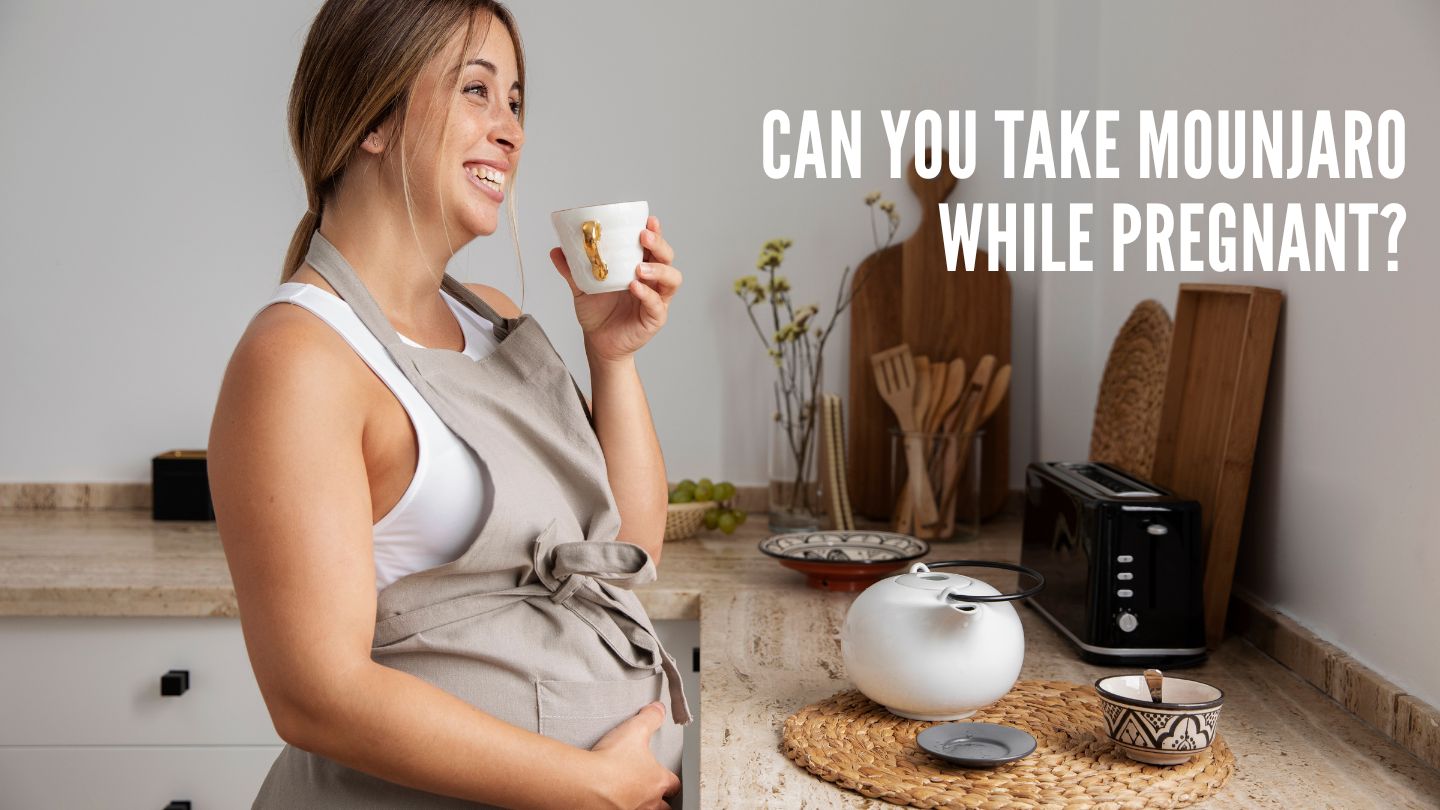
Mounjaro, with its active ingredient tirzepatide, has become a significant name in the management of type 2 diabetes and weight loss. This medication has shown remarkable results in helping patients control their blood sugar levels and achieve a healthy weight. However, for many women, a critical question arises as they plan for the future: Can you take Mounjaro while pregnant? This question is vital, and understanding the implications of using Mounjaro during pregnancy is essential for the health of both mother and baby.
Mounjaro is part of a class of drugs known as GLP-1 receptor agonists. It works by mimicking hormones that regulate appetite and insulin, leading to better blood sugar control and significant weight loss for many individuals. While it offers a promising solution for managing chronic conditions like type 2 diabetes and obesity, its use during pregnancy requires careful consideration and professional medical advice.
Understanding Mounjaro and Its Effects
Before diving into the specifics of Mounjaro in pregnancy, it’s helpful to understand what this drug does. Tirzepatide functions by targeting two key receptors involved in metabolism, which is why it’s often discussed in conversations surrounding how Mounjaro can help people with obesity. This dual action makes it highly effective for weight management and diabetes control. For many women struggling with insulin resistance or obesity, Mounjaro can be a life-changing medication.
However, the period of pregnancy is unique. The focus shifts from personal weight loss to providing a nurturing environment for a developing fetus. Any medication taken during this time has the potential to cross the placenta and affect the baby. Therefore, the discussion around taking Mounjaro while pregnant is centered on safety and potential risks.
Mounjaro During Pregnancy: The Official Stance
Based on animal studies, there is a potential risk of harm to a developing fetus. These studies have shown adverse effects, including fetal growth restrictions and birth defects, when the medication was administered to pregnant animals.
Due to the lack of comprehensive clinical trials involving pregnant women, a common ethical limitation in drug research, the full extent of these risks in humans is not known. As a result, the official recommendation is to avoid using Mounjaro during pregnancy. If you are planning to become pregnant, it is advised to stop taking the drug at least two months before trying to conceive. This waiting period allows the medication to clear from your system.
If you discover you are pregnant while on this medication, you should contact your healthcare provider immediately to discuss the next steps for managing your health and ensuring a safe pregnancy.
The Impact on Fertility and Birth Control
An interesting and crucial point for women of childbearing age is Mounjaro’s effect on fertility and contraception. Mounjaro and similar GLP-1 receptor agonists like Ozempic can increase fertility, particularly in women with conditions like Polycystic Ovary Syndrome (PCOS) that affect ovulation. Weight loss itself can restore regular menstrual cycles and improve the chances of conception.
Furthermore, Mounjaro can impact the effectiveness of oral contraceptives. The medication can delay gastric emptying, which may affect how the body absorbs the birth control pill. This reduced absorption could lead to an unplanned pregnancy. Because of this potential interaction, doctors often recommend that women using oral birth control switch to a non-oral contraception method, such as an IUD, implant, or barrier methods like condoms, while taking Tirzepatide. It is especially important to use an alternative birth control method for the first 4 weeks after starting the drug and for 4 weeks after each dose increase. This caution underscores the importance of a thorough discussion about your birth control options with your healthcare provider.
Managing Weight and Diabetes During Pregnancy
For many women, Mounjaro is a tool for managing type 2 diabetes or achieving a healthy weight before pregnancy. The conversation about pregnancy and weight gain is complex. While maintaining a healthy weight is beneficial, pregnancy is not the time for active weight loss. The body requires additional calories and nutrients to support the growing baby.
If you rely on Mounjaro for diabetes management, your healthcare provider will work with you to find a safe alternative during pregnancy. This often involves switching to insulin or other medications that have a proven safety record for use in pregnant women. The goal is to maintain stable blood sugar levels to prevent complications like high blood pressure, preeclampsia, and issues with the baby’s birth weight. Your nutrition plan will also be adjusted to meet the demands of pregnancy.
The importance of pairing healthcare with weight loss medicines becomes even more critical when family planning is involved. A healthcare provider can guide you through pre-conception planning, helping you reach your health goals safely before you start trying to conceive.
What About Breastfeeding?
The questions don’t stop after birth. Many new mothers wonder if they can resume taking Mounjaro while breastfeeding. Currently, it is not known if tirzepatide passes into breast milk or what effects it might have on a nursing infant.
Given the lack of data, caution is advised. Most healthcare providers will recommend against using Mounjaro while breastfeeding to avoid any potential risk to the baby. You should have an open conversation with your doctor about your weight management and diabetes control goals postpartum. They can help you create a plan that prioritizes the health and safety of both you and your child, which may include alternative medications or lifestyle-focused strategies until you have finished breastfeeding.
The Verdict: Can You Take Mounjaro While Pregnant?
To summarize, the answer is no. Current medical guidance strongly advises against taking Mounjaro while pregnant due to potential risks of miscarriage and birth defects.
Here are the key takeaways for women considering or currently using Mounjaro:
- Discontinue Use Before Conception: Stop taking Mounjaro at least two months before you plan to become pregnant.
- Inform Your Doctor Immediately: If you become pregnant while on the medication, contact your healthcare provider right away.
- Discuss Contraception: Mounjaro can reduce the effectiveness of oral contraceptives. Discuss reliable birth control options with your doctor.
- Prioritize Safe Alternatives: Work with your healthcare team to find safe alternatives for managing diabetes or weight during pregnancy and breastfeeding.
- Acknowledge Other Options: It’s worth exploring all available treatments. Comparing Mounjaro vs. Ozempic provides a broader perspective on your health journey, but the pregnancy guidelines remain firm.
Final Thoughts
Pregnancy is a time to focus on nourishment and healthy development. While weight loss drugs like Mounjaro and Tirzepatide are powerful tools, their use must be carefully managed around this important life stage.
Your health and the health of your future child are paramount. Navigating medication, fertility, and pregnancy can be complex, but you don’t have to do it alone. If you have questions about Mounjaro for women in Spokane or need guidance on managing your weight and health before, during, or after pregnancy, I am here to help. Contact me to schedule a consultation and let us support you in making the best decisions for your health journey.