Regarding weight loss, we often hear about the importance of reducing our body fat percentage. But did you know that not all fat is created equal? There are two main types of fat in our bodies: brown and white. Understanding the difference between these two types of fat can help us better understand how to manage our weight and overall health. In this blog post, I will explain the difference between brown and white fat, their functions, and how they can impact our bodies. So, let’s dive in!
A Brief Overview of Fat
First, let’s start with a basic understanding of body fat. Fat is a tissue that stores energy for our body to use as needed. It also provides insulation and protection for our organs. Fat comprises cells called adipocytes, which may expand or shrink depending on how much fat they store. When we consume more energy than our bodies need, the excess calories are stored as fat. This is why weight gain occurs when we have a caloric surplus.
There are two major types of fat: subcutaneous and visceral. Subcutaneous fat is found just below the skin and makes up most of our body’s fat storage. Conversely, visceral fat is located deeper within the body and surrounds our vital organs. High levels of visceral fat have been linked to an increased risk of heart disease and other health issues.
Brown Fat – The Good Fat
Now, let’s take a closer look at brown fat. Brown fat is a special type of fat found in areas like the neck, upper back, and around organs. Unlike white fat, which stores energy, brown fat generates heat by burning calories in a process called thermogenesis, helping to regulate body temperature. Its darker color comes from a high amount of mitochondria, which are responsible for energy production. Brown fat is often called “good” fat due to its numerous health benefits.
White Fat – The Not-So-Good Fat
White fat, also known as “bad” fat, is the most common type of body fat. It is distributed throughout the body and primarily stores energy in the form of triglycerides. Unlike brown fat, white fat lacks a high concentration of mitochondria and does not generate heat. Instead, it serves as a long-term energy reserve and protects organs from injury by providing cushioning.
The Role of Brown & White Fat in Weight Loss
Understanding the roles of brown and white fat can significantly shape our approach to weight loss and overall health management. Recent studies have shown that individuals with higher levels of brown fat tend to have better metabolic profiles. Activation of brown fat through methods such as exposure to cold temperatures, exercise, or certain foods may facilitate increased calorie burning and improved weight control.
While white fat primarily serves as a storage depot for excess energy, its accumulation can lead to various health risks, including type 2 diabetes and cardiovascular diseases. This highlights the importance of not only reducing white fat but also promoting the development and activity of brown fat. However, maintaining a healthy balance between brown and white fat is crucial for overall wellness.
Managing Brown & White Fat for Optimal Health
Although it may be tempting to believe that eliminating all white fat is beneficial, it’s neither realistic nor healthy. Our bodies require both types of fat to function properly, as there’s a significant difference between weight loss and fat loss, and so the goal should be to encourage brown fat development while managing white fat levels at a good ratio to brown fat.
One way to achieve this balance is through regular exercise. Aerobic exercises, such as running or cycling, have been shown to increase brown fat activity. Additionally, incorporating strength training can help build muscle mass, which in turn can boost our metabolism and aid in white fat reduction.
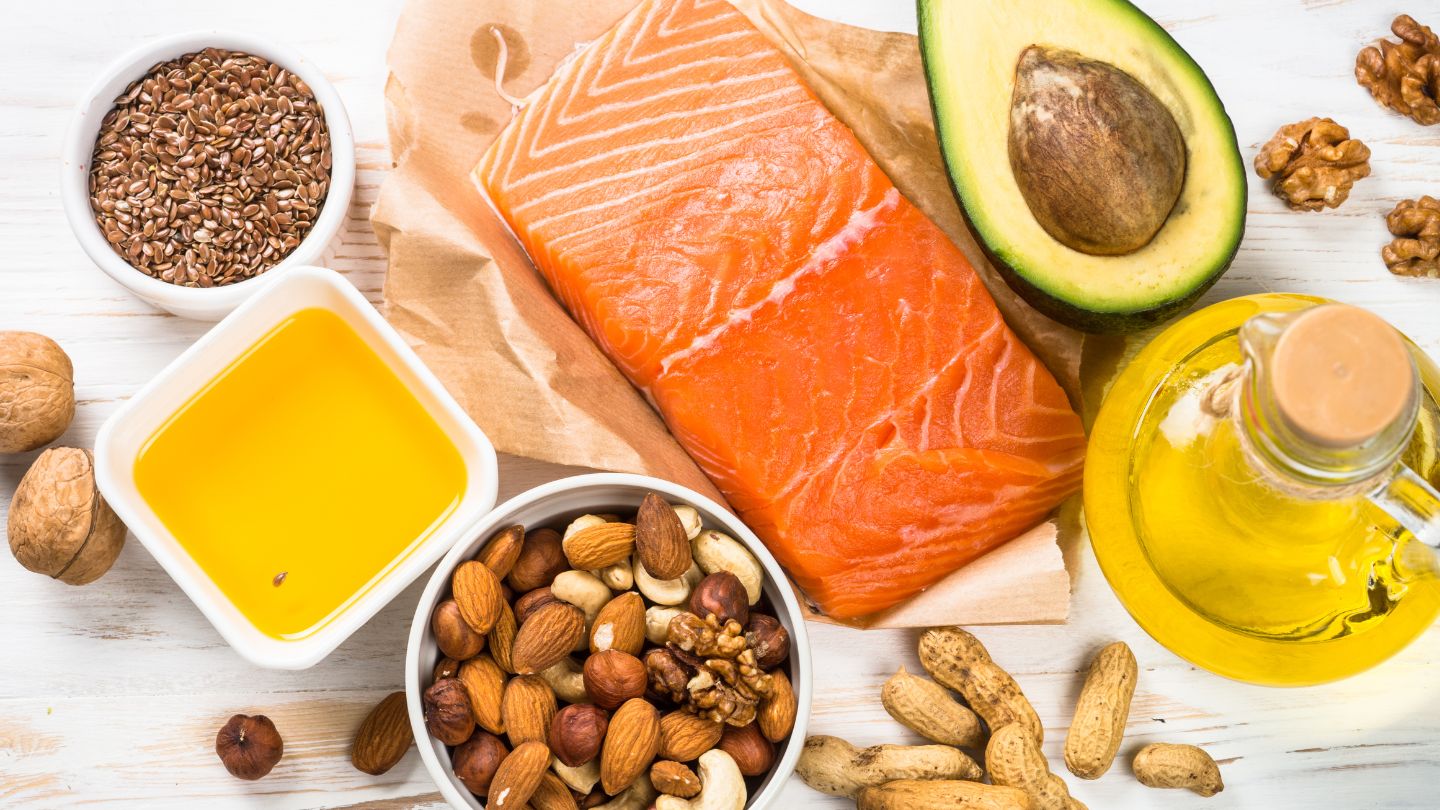
In addition to exercise, macronutrient management also plays a crucial role in managing our body’s fat composition. Foods high in protein and healthy fats can help promote brown fat development and activation. On the other hand, foods high in added sugars and unhealthy fats should be limited as they can lead to an increase in white fat stores. Consulting with a healthcare professional or registered dietitian can help create a personalized nutrition plan to meet individual needs.
Conclusion
Understanding your body’s reaction to food and finding any invisible barriers are crucial to achieving sustainable weight loss. This is where my holistic approach can make all the difference. With my weight loss plans in Spokane, we can mix and match different herbal and prescription recommendations to find the perfect combination for your unique body. Through nutrition education, physical activity tracking, intense behavioral therapy, medication management, remote monitoring, and collaborative care, I work to address all aspects of obesity in a personalized and comprehensive manner.
My goal is to help you not only lose weight but also improve your overall health and well-being. So, connect with me today to start your journey towards a healthier, happier you! Remember, your body is beautiful just as it is, but with the right support and guidance, it can become even better.