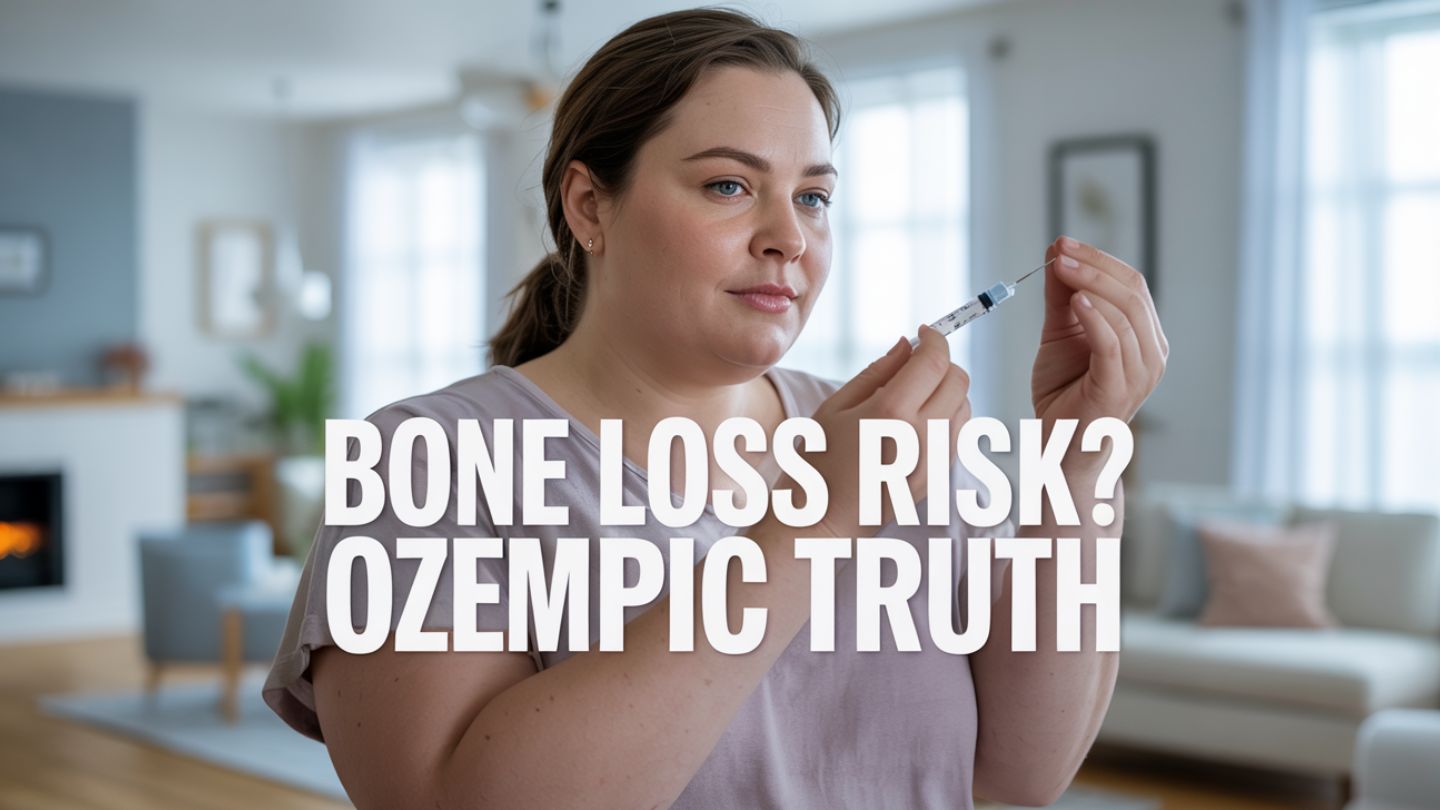
When it comes to weight loss, the path isn’t always straightforward. For some people, medication-assisted weight loss can be a vital solution. Yet, there’s still so much judgment and misinformation surrounding it—often unfairly labeling it as “cheating.” But here’s the truth: using medications to support your weight-loss goals is not only valid, but it’s also empowering. It’s about taking a step toward a healthier, happier life, one that acknowledges the complexity of the human body and mind. Every woman’s road to wellness is different, and we’re here to celebrate them all.
If you’ve been hesitant about taking this route or have felt held back by stigma about considering using GLP-1s, keep reading. Together, we’ll break down the myths, explore the science, and highlight the meaningful benefits of this approach. By the end, you’ll see why medication-assisted weight loss isn’t a shortcut or crutch—it’s a smart, evidence-based choice that honors you.
Breaking Down the “Cheating” Myth
The Stigma of “Quick Fixes” and Unrealistic Expectations
One of the biggest misconceptions about weight loss is that it should be achieved purely through “hard work.” Society often glorifies grueling diets, long hours at the gym, and a relentless focus on willpower. But the truth? That approach isn’t sustainable—or realistic—for most people. And it’s a categorically incorrect approach for this complex chronic illness. We don’t say this to people who have had a heart attack or been diagnosed with COPD. Anyone with obesity should not be stigmatized in the medical world or anywhere else.
Your body is more than just calories in versus calories out. Hormones, metabolism, stress, genetics, and even environmental factors all play major roles in how your body loses or retains weight. Medication can step in to support these complex systems. Still, many view it through a misplaced lens of judgment because it doesn’t fit our culture’s outdated model of effort-based transformation. This judgment is rooted in an overly simplistic understanding of health and weight management.
What Medication Really Does
Here’s the first thing you need to know about these medications: they’re not miracle pills. They’re tools. Just like meal planning or moving your body, weight-loss drugs are a strategy to overcome biological challenges. They don’t work in isolation—most people combine them with lifestyle changes like intuitive eating, movement that feels joyful, and stress management.
Think of it this way—when someone takes medication for chronic conditions like diabetes or high blood pressure, we don’t call it “cheating.” Why? Because we understand that achieving wellness sometimes requires medical intervention. It’s no different here. Weight loss medications often help people manage real obstacles, like food cravings, emotional eating, or metabolic disorders, that diet and exercise alone can’t always address.
The Science Behind Medication-Assisted Weight Loss
When Medical Issues Need Medical Solutions
The complexity of weight loss goes deeper than most people realize. Issues like obesity, insulin resistance, and PCOS create physical barriers that make losing weight difficult—or even feel impossible—unaided. Medication opens doors that previously felt locked.
Take, for example, the connection between your hormones and your appetite. Hormones like leptin and ghrelin are responsible for signaling hunger and fullness, but in some people, these signals are disrupted. Weight-loss medications can restore that balance, making it easier to tune into your natural cues. In addition, some people just don’t secrete incretins (intestinal hormones like GLP-1, GIP, etc), so telling them to just eat less isn’t going to fix that.
Using medication doesn’t mean you’re circumventing effort. It means you’re addressing the root cause of what’s holding you back. And isn’t that what true healing is about?
Evidence-Based Care
Today, many medications are designed to support safe and effective weight management. These treatments are thoroughly tested and based on solid scientific research. Some work by targeting the brain’s appetite regulation system while also helping to stabilize blood sugar levels—a particularly beneficial approach for individuals with prediabetes or diabetes. Some work by changing the insulin resistance (think carb intolerance here) that is causing your body to maintain or gain weight. Still some, work by reducing your stress to help you think about your food cravings and put a pause button in your behaviours.
With the guidance of healthcare professionals, these medications are tailored to an individual’s needs. This level of care ensures that your safety and well-being are the priority, far removed from the misinformation around “quick fixes.”
Dispelling Common Misconceptions
It’s Not About Taking the “Easy Way Out”
Weight-loss medication doesn’t replace effort—it enhances it. People who use these tools are still creating lasting change through lifestyle adjustments, mindful eating habits, and intentional movement. The key difference? Medications give them a fighting chance by steadily addressing biological challenges.
Think of it like climbing a mountain. Some people have relatively clear paths and favorable weather. Others have a steeper incline, with rocks and thunderstorms in their way. Medication is like handing someone a sturdy pair of climbing shoes—not carrying them to the top. It doesn’t diminish the effort they put in; it sets them up for success.
We should celebrate progress, no matter the tools someone uses to achieve it. What matters most is that they’re doing what’s right for their body and their goals.
It’s Not Just for Aesthetic Reasons
Another major myth is that medication-assisted weight loss is only for vanity. Yes, weight loss can lead to physical confidence, but it’s so much more than that. For many, it’s about reducing the risk of chronic diseases like heart disease and type 2 diabetes. It’s about relieving joint pain or improving sleep. It could also be a requirement from another doctor for a procedure that is essential to maintaining or improving health. Weight loss is more about reclaiming energy and joy in everyday life – not just fitting into a smaller pants size.
Medication is a way to prioritize your health, not just your appearance. And that deserves respect and encouragement.
The Benefits of Medication-Assisted Weight Loss
Holistic Health Outcomes
The benefits of weight-loss medications extend far beyond the number on the scale. Imagine being able to do everyday activities—playing with your kids, hiking, or simply walking upstairs—without the physical strain you used to feel. Or think about how freeing it would be to no longer be at high risk for conditions like hypertension or sleep apnea. Or that you can cross your legs again. Or not have to ask for a seat belt extender.
These medications help lower BMI, but they also support a cascade of other health effects, such as improved lipid profiles and reduced inflammation. It’s a full-body transformation that reaches into every aspect of your well-being.
Mental and Emotional Empowerment
There’s also the emotional weight we carry when we feel like we’ve failed at dieting or exercising. Weight-loss medications can help lift that burden. They allow many women to experience progress for the first time in years, restoring not just their health but also their hope. Your weight does not define your character, I promise.
When you feel better in your body, you naturally feel more confident. And that confidence doesn’t just stay in one area of your life—it ripples outward, influencing your work, relationships, and sense of self-worth. Many women describe this process as reclaiming their power, and that’s exactly what it is. When my patients see who I see through their weight loss journey, that is the real moment it is worth it. You are not a failure because you can’t lose weight. Maybe it’s not you. Maybe it something more.
Long-Term Success
Unlike restrictive diets that rely on willpower and often fail, weight-loss medications are built for sustainable success through paring medical interventions with the other 3 pillars of weight loss: nutrition, movement, and stress management. If you’re wondering how to lose weight without dieting, these medications address biological factors like hunger and metabolism directly, making it easier to establish lasting habits. Many people find themselves enhancing their relationship with food, focusing on nourishment rather than deprivation, and living in a more balanced state overall. Weight loss isn’t about perfection—it’s about progress. And medication is a vital part of making that progress achievable and durable for many women.
A Call to Acceptance and Action
In the journey toward health and wellness, it’s critical to break free from outdated stigmas. Medication-assisted weight loss is not “cheating”—it’s an empowering, evidence-based approach that helps you work with your body rather than against it. Every woman deserves a path to health that fits her unique needs and challenges, and this method is a valid, respectable choice. Your story, your struggles, and your goals are yours to define, and taking control through medical weight loss is a step toward a brighter, healthier future.
At my clinic, I understand the challenges women face on their weight-loss journey. That’s why my program for medical weight loss in Spokane focuses on a holistic approach that combines advanced medical solutions with personalized care. Through the program, you’ll get a tailored plan designed for long-term success, alongside professional guidance every step of the way. Whether it’s medication-assisted weight loss or another aspect of your journey, you’re in good hands. Take the first step today! Schedule a FREE consultation and let me help you unlock your full potential. Girl, this is YOUR time to shine—let’s make it happen together!