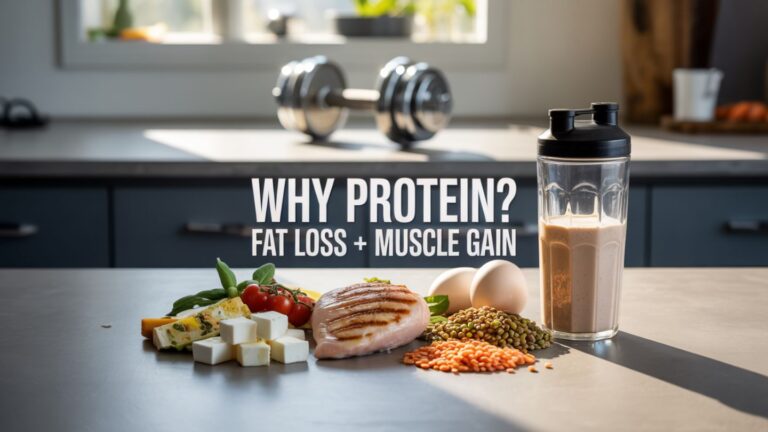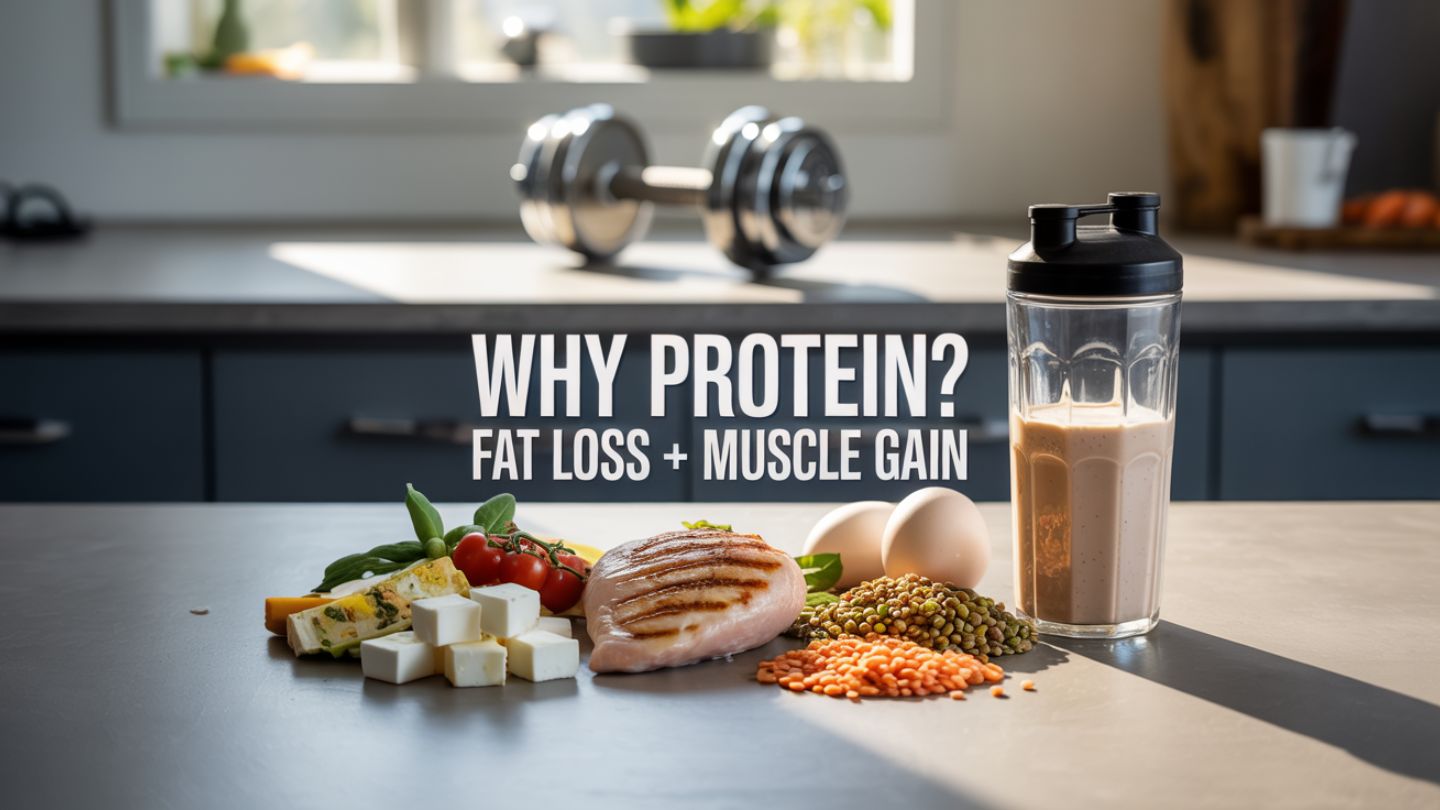
When it comes to transforming your body, improving your health, and achieving sustainable fitness goals, one nutrient consistently stands out above the rest: protein. Whether your goal is to shed excess weight or build lean muscle, understanding why protein is important for weight loss and muscle gain can make a significant difference in your results. Protein is not just another macronutrient; it is the foundation of physical transformation, playing a critical role in how your body burns fat, preserves muscle, and recovers from activity.
Many individuals searching for effective solutions often ask, “Why is protein important for weight loss?” or “Why is protein important for muscle growth?” The answer lies in how your body utilizes protein at a cellular level. From boosting metabolism to supporting muscle repair, protein works in ways that go far beyond simple nutrition. When combined with professional guidance and structured programs, its benefits are amplified, helping individuals achieve long-term success rather than temporary results.
Understanding Why Protein Is Important for Weight Loss
One of the most common questions people have is why is protein so important for weight loss. The truth is that protein plays a vital role in regulating hunger, metabolism, and fat loss. Unlike carbohydrates and fats, protein requires more energy for digestion, a process known as the thermic effect of food. This means your body burns more calories simply by processing protein, contributing to overall calorie expenditure.
Another key reason why protein is important in weight loss is its ability to promote satiety. Protein helps you feel fuller for longer periods, reducing unnecessary snacking and overeating. When hunger is controlled, maintaining a calorie deficit becomes more manageable, which is essential for weight loss. This is why the importance of protein for weight loss is often emphasized in medically guided programs where sustainable habits are the priority. If you are trying to better understand how protein supports fat loss in a realistic and sustainable way, learning more about how protein intake affects appetite, calorie control, and healthy progress can make your weight-loss journey more effective.
Additionally, protein helps preserve lean muscle mass during weight loss. When you lose weight without adequate protein intake, your body may break down muscle along with fat. This can slow down metabolism and make it harder to maintain results. By ensuring sufficient protein intake under professional supervision, individuals can focus on losing fat while maintaining a healthy and strong body composition.
The Importance of Protein for Muscle Gain and Strength
While protein is widely known for its role in weight loss, it is equally crucial for muscle development. Many people wonder why protein is important for muscle growth, and the answer is straightforward: muscle tissue is primarily made of protein. Every time you engage in physical activity, especially resistance training, your muscle fibers experience microscopic damage. Protein provides the amino acids needed to repair and rebuild these fibers, making them stronger and larger over time.
The importance of protein for muscle gain extends beyond just recovery. It also supports muscle protein synthesis, the process by which your body builds new muscle tissue. Without adequate protein, this process slows down, limiting your ability to gain strength and achieve a toned physique. This is why individuals focusing on muscle building often prioritize protein as a central component of their nutrition strategy. Understanding protein needs in more detail can help individuals support muscle repair and recovery more effectively while staying aligned with long-term health and body-composition goals.
Furthermore, protein contributes to improved performance and endurance. When your muscles are properly fueled and supported, you can train more effectively, recover faster, and maintain consistency in your fitness routine. This consistency is essential for long-term muscle growth and overall physical improvement.
How Protein Supports Both Weight Loss and Muscle Gain
The importance of protein for weight loss and muscle gain lies in its dual functionality. Unlike other nutrients, protein supports both fat reduction and muscle development simultaneously. This makes it a cornerstone of any effective body transformation plan.
When you increase protein intake in a structured and professionally guided program, your body becomes more efficient at burning fat while preserving muscle. This leads to improved body composition, which means a healthier ratio of muscle to fat. As a result, individuals not only look leaner but also feel stronger and more energized. Meal planning also plays an important role, and recipes like high-protein salads for healthy weight loss can show how protein-rich meals fit naturally into a sustainable routine.
Another reason why protein is important for weight loss and muscle gain is its role in stabilizing blood sugar levels. Stable blood sugar helps prevent energy crashes and cravings, allowing individuals to maintain focus and consistency in their daily routines. This stability is especially important for those following medically supervised weight management programs, where balanced nutrition is key to success.
Why Professional Guidance Matters for Protein-Based Results
While understanding the benefits of protein is essential, achieving optimal results requires more than just increasing protein intake. The effectiveness of protein depends on factors such as timing, quantity, and overall nutritional balance. This is where professional guidance becomes crucial.
A structured program tailored to individual needs ensures that protein intake is aligned with specific goals, whether it is weight loss, muscle gain, or both. Professionals assess factors such as body composition, metabolism, and lifestyle to create a plan that maximizes results. This personalized approach eliminates guesswork and ensures that every step taken contributes to progress. Professional support is also useful for setting realistic milestones and for learning how to create smart weight-loss goals and achieve them, which can reinforce the value of a clear, personalized plan.
Additionally, professional supervision helps individuals stay accountable and consistent. Consistency is often the biggest challenge in any fitness journey, and having expert support can make a significant difference. By integrating protein into a comprehensive plan that includes proper nutrition, activity, and monitoring, individuals can achieve results that are not only effective but also sustainable.
Long-Term Benefits of Prioritizing Protein
The benefits of protein extend far beyond immediate weight loss or muscle gain. Over time, maintaining adequate protein intake supports overall health and well-being. It contributes to stronger bones, improved immune function, and better recovery from daily activities.
Another long-term advantage is the preservation of metabolic health. By maintaining lean muscle mass, your body continues to burn calories efficiently, even at rest. This helps prevent weight regain and supports long-term weight management. A sustainable routine becomes even more effective when paired with effective weight-loss management strategies to support a healthy lifestyle that fosters consistency and long-term success. The importance of protein for weight loss and muscle gain becomes even more evident when considering these lasting benefits.
Moreover, a protein-focused approach encourages healthier eating habits overall. When individuals prioritize protein, they often make more mindful food choices, leading to improved nutritional balance and better lifestyle habits. This holistic improvement is what sets professionally guided programs apart from temporary or unsupervised approaches.
Conclusion
Understanding why protein is important for weight loss and muscle gain highlights how essential it is for achieving a healthier, stronger body. Protein supports fat loss by boosting metabolism and controlling hunger while simultaneously preserving and building lean muscle. This powerful combination improves overall body composition, enhances energy levels, and helps maintain long-term results. With the right balance and a structured approach, protein becomes a key driver in sustainable weight management and physical transformation.
I focus on helping individuals achieve their health goals through personalized, medically guided programs at my weight loss clinic in Spokane. Through services such as medical weight loss, non-surgical weight loss, weight-loss nutrition, women’s weight-loss injections, and comprehensive weight-loss management, I provide structured and effective solutions tailored to each individual. My approach ensures every plan supports fat loss, muscle development, and long-term wellness with professional guidance at every step. Ready to take the next step toward a healthier you? Contact me today.