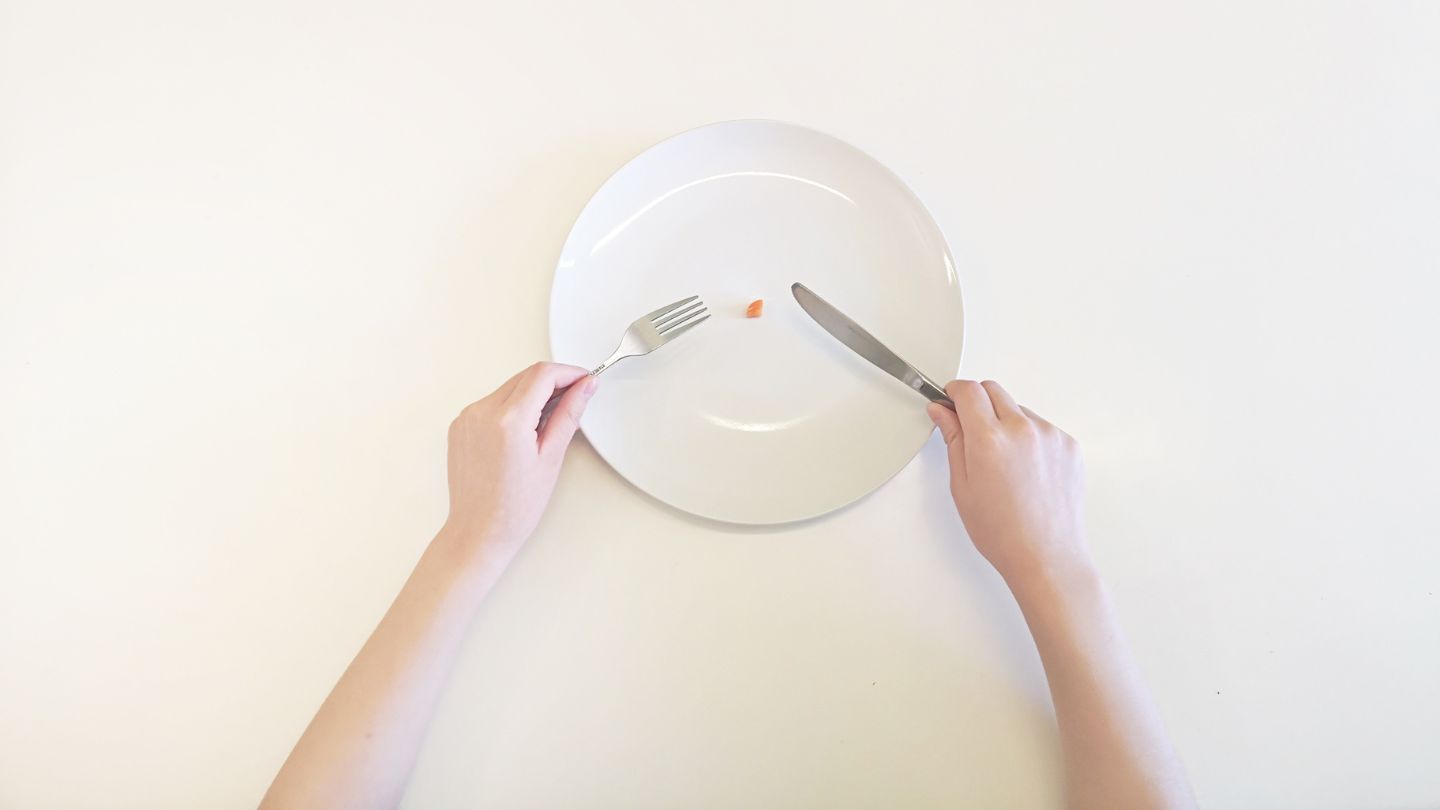
Many women are constantly trying to achieve the ideal body weight and shape in order to fit into societal beauty standards. In pursuit of this goal, some may turn to diets or restrictive eating habits. However, what may start as a simple diet can quickly spiral into something more serious – an eating disorder. In this article, we will explore the differences between a healthy diet and an eating disorder and delve into the warning signs to look out for. It’s time to understand the thin line between dieting and developing an eating disorder.
Dieting vs. Eating Disorders: What’s the Difference?
At first glance, it may seem like dieting and eating disorders are essentially the same thing – both involve controlling food intake for weight loss. However, there are significant differences between the two that should not be overlooked.
The Purpose
One of the main distinctions between a diet and an eating disorder is their purpose. A diet is usually undertaken with the intention of improving one’s health and achieving a desired body weight or shape. On the other hand, an eating disorder is often rooted in deeper psychological issues and involves an unhealthy obsession with food, weight, and appearance.
The Approach
Diets typically involve making small changes to one’s eating habits over a period of time. They can range from cutting out certain food groups to following a specific meal plan. Eating disorders, on the other hand, are characterized by extreme and often dangerous behaviors such as severely restricting food intake, purging, or binge eating. These behaviors are used to cope with negative emotions and can become all-consuming in a person’s life.
The Impact on Mental and Physical Health
While both dieting and eating disorders can lead to weight loss, the impact they have on a person’s overall mental and physical health differs greatly. Dieting, when done in a healthy and controlled manner, can result in improved energy levels, better nutrition, and increased self-confidence. Eating disorders, however, can severely damage both physical and mental health, leading to malnutrition, organ failure, and even death.
Recognizing the Signs
It can be challenging to recognize when dieting has turned into an eating disorder, especially since restrictive diets are often normalized in our society. However, there are some red flags that you should be aware of:
- Contant thoughts and behaviors surrounding food, weight, and appearance.
- Fear of gaining weight or obsession with being thin.
- Constantly comparing one’s body to others.
- Isolation from friends and family in order to hide eating habits.
- Physical signs such as rapid weight loss, changes in menstrual cycle, and fatigue.
How to Maintain a Healthy Relationship with Food?
Instead of focusing on restrictive diets, it’s crucial to adopt healthy eating habits and develop a positive body image. Here are some tips to maintain a healthy relationship with food:
1. Listen to Your Body
Focus on eating when you’re hungry and stopping when you’re full. Don’t restrict yourself from foods you enjoy; instead, practice mindful eating and pay attention to your body’s signals. It is important to note that the types of diet for your weight loss goals look different for everyone and should be tailored to your individual needs.
2. Avoid Comparison Traps
Comparison is often the root cause of negative body image and disordered eating patterns. Remember that everyone’s body is unique, and there is no one-size-fits-all approach to health. Focus on your own journey and celebrate your progress.
3. Seek Professional Help
If you or someone you know is struggling with disordered eating patterns, it’s crucial to seek professional help. A therapist can provide aid and guidance in overcoming an eating disorder. Remember, it’s never too late to seek help and prioritize your well-being.
To Conclude
It’s essential to understand that diets and eating disorders are not the same. While diets can be a temporary solution for weight loss, they should not become an obsession that negatively impacts our mental and physical health. If you or someone you know is struggling with disordered eating patterns in their journey towards a healthy lifestyle, I encourage you to seek professional help. One great resource if the Emily Program as they have a comprehensive intake process that can evaluate and help determine a treatment plan for those with eating disorders. Thank you for reading!