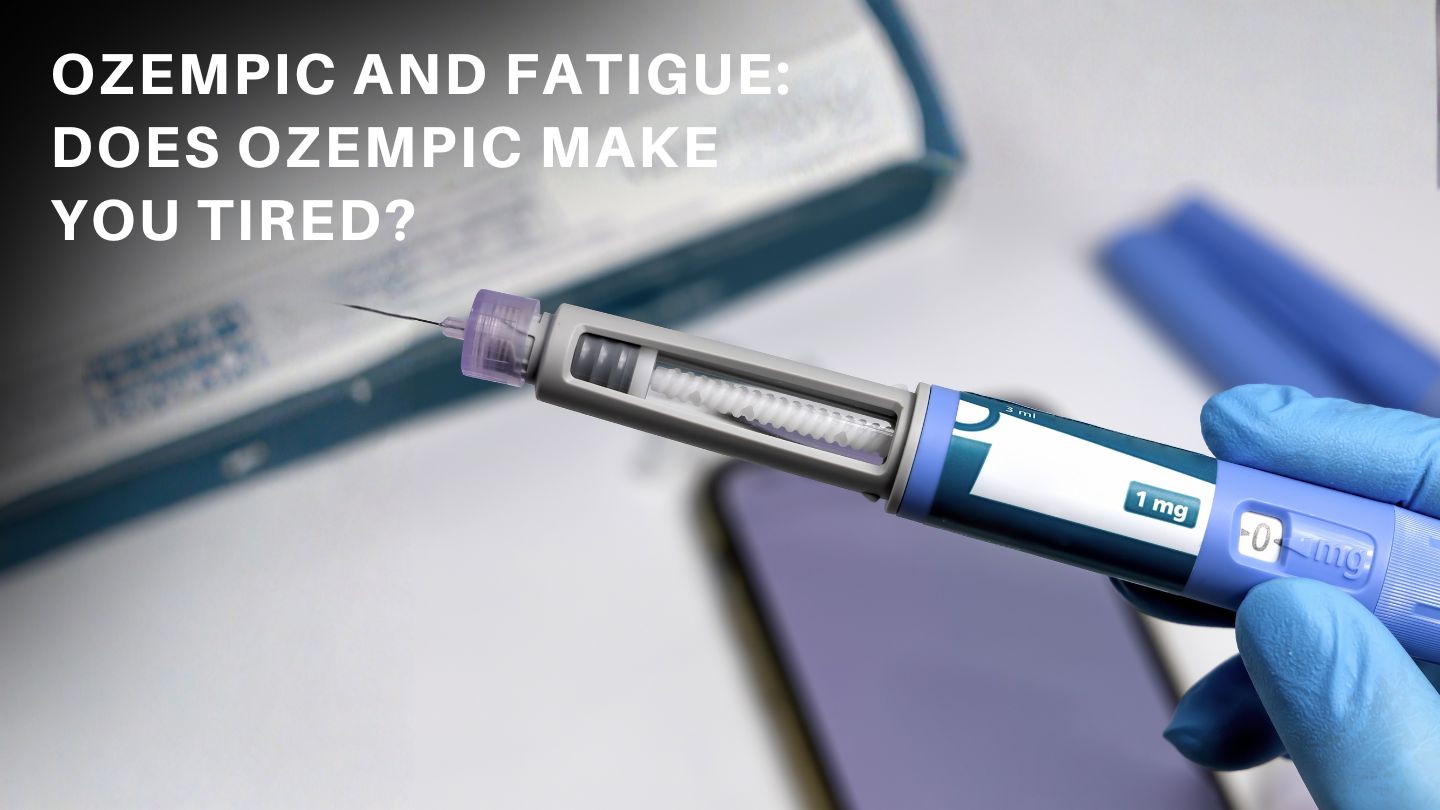
Ozempic, a popular GLP-1 medication, has gained significant attention for its effectiveness in managing blood sugar levels and promoting weight loss. As more users begin this treatment, questions about its side effects are common. One of the most frequently discussed topics is the connection between Ozempic and fatigue. Many patients wonder, “Does Ozempic make you tired?” It’s a valid concern, as persistent fatigue can significantly impact your daily life, energy levels, and overall health.
This blog will explore the relationship between Ozempic and tiredness. We will examine why this medication might cause fatigue, discuss other potential side effects, and provide practical strategies to manage your energy while on this treatment. Understanding these aspects is crucial for anyone considering or currently using Ozempic for weight management or diabetes control.
Understanding Ozempic and Its Effects
Ozempic is part of a class of drugs known as GLP-1 receptor agonists. These medications work by mimicking a hormone in your body that helps regulate blood sugar and appetite. By slowing down digestion and signaling fullness to the brain, Ozempic can lead to reduced calorie intake and subsequent weight loss. While this effect is beneficial for many, the changes in your body’s processes can sometimes lead to unwanted symptoms.
So, can Ozempic make you tired? The short answer is yes, for some individuals. Ozempic fatigue is a reported side effect, although the reasons behind it are complex and can vary from person to person. The feeling of tiredness might be a direct effect of the medication, or it could be an indirect result of the significant lifestyle changes that often accompany the treatment, such as a major shift in diet and calorie consumption.
Why Might Ozempic Cause Tiredness?
Several factors can contribute to feelings of fatigue or drowsiness while taking Ozempic. Understanding these potential causes can help you identify what might be affecting your energy levels.
Caloric Restriction and Your Energy
One of the primary ways Ozempic aids in weight loss is by suppressing your appetite. This naturally leads to eating less. A significant reduction in calories means your body has less fuel to convert into energy, which can logically result in fatigue. Your body needs time to adjust to this new, lower energy intake. This is often the most common reason for Ozempic tiredness. Good nutrition is essential during this period to ensure you’re getting the most out of the calories you do consume.
Gastrointestinal Problems
Like many medications, Ozempic comes with potential side effects. The most common ones are gastrointestinal, including nausea, vomiting, diarrhea, and abdominal pain. These digestive side effects can be draining and contribute to a general feeling of being unwell and tired. Experiencing nausea can also further decrease your desire to eat, compounding the issue of low energy from reduced food intake. These symptoms are usually more pronounced when first starting the medication or after a dose increase.
Dehydration
Gastrointestinal issues like vomiting and diarrhea can lead to dehydration. When you are dehydrated, your body’s functions slow down to conserve water, which can manifest as significant fatigue and even dizziness. It’s crucial for patients on this treatment to be mindful of their fluid intake, especially if they are experiencing digestive side effects. Maintaining proper hydration is a key part of managing your energy.
Changes in Blood Sugar Levels
Ozempic is designed to lower blood sugar levels. While this is its intended purpose, for some individuals, blood sugar can occasionally drop too low, a condition known as hypoglycemia. Symptoms of hypoglycemia include tiredness, shakiness, and dizziness. While less common with GLP-1 drugs compared to other diabetes medications, it’s still a possibility, particularly if you’re taking other drugs that affect blood sugar.
Differentiating Ozempic Fatigue from Other Causes
It’s important to remember that fatigue is a very common symptom with many potential causes. Before concluding that Ozempic is the sole culprit, consider other aspects of your health and lifestyle.
- Sleep Quality: Are you getting enough restful sleep? Poor sleep quality will inevitably lead to daytime fatigue, regardless of any medication you are taking.
- Mental Health: Stress, anxiety, and depression are major contributors to fatigue. The journey of weight loss and managing a chronic condition can take a toll on your mental health, which in turn affects your energy.
- Other Medical Conditions: Anemia, thyroid issues, and other underlying health problems can cause persistent tiredness. It’s important to discuss all symptoms with your healthcare provider.
Comparing different treatment options, such as in a Mounjaro vs. Ozempic analysis, shows that side effect profiles can differ slightly, but fatigue can be a factor with many GLP-1 medications.
Managing Fatigue While on Ozempic
If you’re asking, “Does taking Ozempic make you tired?” and you believe it’s affecting you, the good news is there are several strategies you can implement to boost your energy levels.
1. Prioritize Nutrient-Dense Foods
Since you may be eating less, make every calorie count. Focus on a balanced diet rich in lean protein, complex carbohydrates, and healthy fats. This approach to nutrition will provide sustained energy throughout the day. Avoid sugary, processed foods that cause energy spikes and subsequent crashes.
2. Stay Hydrated
Make a conscious effort to drink plenty of water throughout the day. This helps combat potential dehydration from side effects like vomiting and supports your body’s overall function and energy production.
3. Incorporate Regular Exercise
It might seem counterintuitive to exercise when you feel tired, but regular physical activity can significantly boost your energy. Start with gentle activities like walking or stretching and gradually increase the intensity. Consistent exercise improves circulation and sleep quality, both of which help fight fatigue.
4. Optimize Your Sleep
Establish a consistent sleep schedule and create a relaxing bedtime routine. Improving your sleep hygiene can have a profound effect on your daytime energy and help you feel more rested.
5. Talk to Your Doctor
Open communication with your healthcare provider is essential. They can offer medical advice, evaluate your symptoms, and rule out other causes of fatigue. They may also be able to adjust your dosage or suggest other management strategies. Knowing how long you can take semaglutide for weight loss and managing the treatment safely involves regular check-ins with your doctor.
The experience with GLP-1 drugs varies among users. While some people may feel tired, others do not experience this side effect at all. Clinical trials and ongoing studies continue to provide more insight into the long-term effects of these drugs, especially as more people explore topics like how fast does semaglutide work for weight loss to understand the rate of results.. Phenomena like “Ozempic face” or “Ozempic butt,” which relate to rapid weight loss, highlight the powerful effect of this medication. However, focusing on sustainable habits for nutrition and exercise remains the cornerstone of successful, long-term weight management.
The Bottom Line
Feeling tired while on Ozempic can be a frustrating side effect, but it is often manageable. By focusing on excellent nutrition, staying hydrated, engaging in regular physical activity, and prioritizing sleep, you can support your body’s energy production.
If you are experiencing persistent Ozempic fatigue, it is important to discuss your symptoms with a healthcare professional. I can help you navigate your treatment plan and make adjustments to improve your overall well-being. If you are looking for support with Ozempic for women’s metabolism in Spokane, I am here to help. Contact me today to discuss your weight loss goals and create a personalized plan that works for you.