Weight loss solutions have advanced significantly, offering more personalized and medically guided options than ever before. While weight loss injections are often associated with obesity or type 2 diabetes, many individuals are now asking whether these treatments can benefit those who are not classified as obese. Understanding how overweight individuals (BMI greater than 24) can use weight loss injections provides insight into a more structured approach to weight management. These treatments work by supporting appetite control, improving blood sugar balance, and promoting better eating behavior. When guided by experienced professionals, weight loss injections can help individuals achieve consistent results while maintaining a healthy body weight and overall wellness.
Understanding Weight Loss Injections
Weight loss injections are a form of prescription weight loss medications designed to support weight management by influencing appetite, metabolism, and blood sugar regulation. Many of these treatments fall under the category of GLP-1 medication, which works by mimicking natural hormones that regulate hunger and digestion. For those exploring similar treatment pathways, understanding how fast semaglutide works for weight loss can also provide useful context for how medically guided injections support progress over time.
GLP-1 agonists help slow gastric emptying, promote a feeling of fullness, and reduce overall food intake. This mechanism allows individuals to better manage their calorie consumption without feeling deprived. In addition to supporting weight loss, these medications also help stabilize blood sugar levels, making them beneficial for individuals managing diabetes or seeking improved metabolic health.
Read More: Blood Sugar and Weight Loss: What You Need to Know
Weight loss injections are not simply a standalone solution. They are part of a broader, medically guided strategy that considers factors such as body weight, lifestyle, and overall health. This is why professional supervision is essential when determining whether these treatments are appropriate.
Can a Overweight Individuals Use Weight Loss Injections?
The question of whether weight loss injections for overweight or rapidly increasing weight in individual patients are appropriate depends on several individualized factors. While these treatments are commonly associated with obesity, they can also be considered for individuals who are looking to improve weight management, address metabolic concerns, or achieve specific health goals under medical supervision.
An overweight individual may still struggle with weight fluctuations, difficulty maintaining a healthy body weight, or challenges related to blood sugar regulation. In such cases, weight loss medication can be integrated into a personalized plan to support more consistent progress. In addition, if you are rapidly gaining weight (greater than 5 pounds in a year) despite diet and lifestyle changes, please consider seeking the guidance of a weight loss (obesity) medicine provider.
Understanding how a overweight or even normal person can use weight loss injections or medications involves recognizing that these treatments are not solely defined by body mass index alone. Instead, they are part of a comprehensive evaluation that considers overall health, eating patterns, and long-term goals.
The Role of GLP 1 Treatment in Weight Management
GLP 1 treatment has become a cornerstone of modern weight loss strategies due to its ability to regulate appetite and improve metabolic function. By influencing hormones that control hunger, these treatments help suppress appetite and reduce unnecessary calorie intake. A broader understanding of tirzepatide and its weight loss benefits can also be helpful when comparing how different medically supervised treatments support appetite regulation, metabolic health, and long-term weight management.
For overweight individuals, GLP 1 weight loss approaches can support fine-tuning of eating behavior and help maintain a healthy balance. This is particularly beneficial for those who may not be classified as obese but still face challenges with weight management or maintaining consistent results. In addition to appetite suppression, GLP-1 injection therapies support better blood sugar control, reducing fluctuations that can lead to cravings or energy dips. This contributes to improved eating habits and supports a more stable approach to weight management. In addition, I find that clinically these client typically need less medication or could be great candidates for emerging oral therapies.
Beyond Obesity: Expanding the Role of Weight Loss Medications
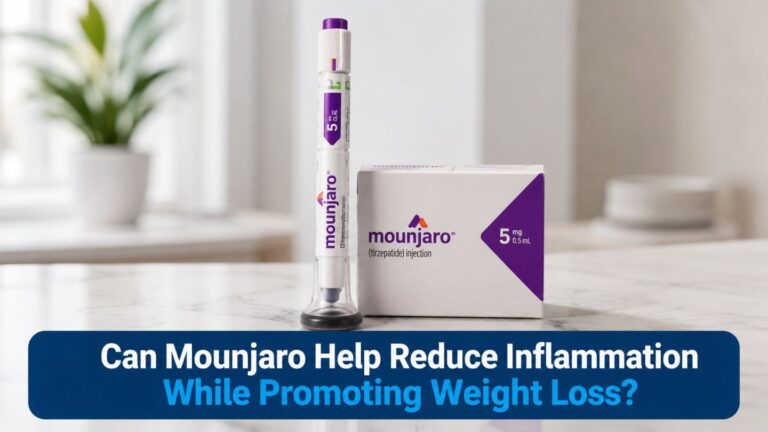
Traditionally, weight loss medications were primarily associated with treating obesity. However, advancements in medical science have expanded their role to support a broader range of individuals. For overweight individuals, these medications can be part of a proactive approach to maintaining a healthy weight and preventing future weight gain. By addressing metabolic factors (like prediabetes, high lipids, metabolic syndrome, etc.) early, individuals can achieve better control over their body weight and overall health. In a similar way, learning how Mounjaro can help people with obesity offers an additional perspective on how targeted treatments can support body weight regulation and more consistent results under professional supervision.
Weight loss drug therapies are particularly useful for individuals who experience difficulty achieving their goals through lifestyle changes alone. When integrated into a medically supervised program, these treatments provide additional support that enhances results without disrupting daily routines.
Supporting Blood Sugar and Metabolic Health
One of the key benefits of weight loss injections is their impact on blood sugar regulation. Stable blood sugar levels play a critical role in managing appetite, energy levels, and overall cardiometabolic health. For individuals with type 2 diabetes or those at risk, these treatments help improve blood sugar control and reduce fluctuations that can lead to overeating. Even for overweight individuals, maintaining balanced blood sugar levels is essential for effective weight management.
By supporting metabolic function, weight loss injections contribute to a more efficient use of energy, helping the body maintain a healthy balance over time. In addition, many of these medications are now FDA approved for multiple other chronic health condition (MAFLD, MASH) and prevention of chronic diseases (liver cancer), with more studies contusing at this time. This approach aligns with long-term health goals and supports overall well-being of our patients, regardless of weight.
The Importance of a Holistic Approach
While weight loss injections offer significant benefits, they are most effective when combined with a holistic approach. This includes lifestyle changes with resistance training and cardiovascular exercise, nutritional guidance focusing on moderate protein and low carbohydrate intake, and ongoing professional support for body image issues and medication adjustments.
A holistic weight loss strategy focuses on the individual as a whole, addressing not only body weight but also factors such as eating behavior, activity levels, and overall health. This comprehensive approach ensures that results are sustainable and aligned with long-term goals. For non obese individuals, this means integrating weight loss injections into a broader plan that supports overall wellness. Professional guidance ensures that each element of the plan works together to create consistent and meaningful progress.
Read More: 5 Most Effective Methods for a Holistic Weight Loss
Why Professional Guidance Matters
Determining whether weight loss injections are suitable for a overweight or normal weight individual requires careful evaluation by experienced professionals. Every individual has unique needs, and a personalized approach ensures that treatment is both safe and effective. A medically supervised program provides ongoing monitoring, adjustments, and support, helping individuals stay on track and achieve their goals. This level of care is essential for optimizing results and maintaining long-term success. It can also be valuable to understand how weight loss injections help you remain in a calorie deficit, since this plays an important role in supporting steady progress within a structured and medically guided plan.
Professional guidance also ensures that weight loss medications are used appropriately, aligning with each individual’s health profile and lifestyle. This means a true medical evaluation with laboratory studies, personal medication history, and physical evaluation, not an online GLP-1 prescriber only. This structured approach provides confidence and clarity throughout the weight loss journey.
Read More: Signs It’s Time to Seek Professional Weight Loss Support
Long-Term Benefits of Medically Guided Weight Loss
The benefits of weight loss injections extend beyond short-term results. When used as part of a professionally guided treatment, these treatments support lasting improvements in weight management and overall health to reduce risk of long term chronic illnesses.
Overweight and normal weight individuals can benefit from enhanced appetite control, improved metabolic function, and improved inflammatory levels. These improvements contribute to a more balanced lifestyle and support long-term reduction of poor quality of life all leading to a longer, healthier life. By focusing on sustainable strategies rather than quick fixes, medically guided weight loss ensures that progress is maintained over time. This approach helps individuals achieve their goals while supporting overall well-being.
Read More: Reasons Why You Shouldn’t Rush Weight Loss
Conclusion
Understanding how weight loss injections can support non obese individuals highlights the value of a personalized and medically guided approach to weight management. While commonly associated with obesity, these treatments can also help regulate appetite, support metabolic balance, and promote consistent weight stability. When integrated into a structured plan, weight loss injections contribute to better control over eating behavior, improved energy levels, and long-term wellness, making them a valuable option for individuals seeking sustainable results.
Through a personalized and medically guided approach, I support holistic weight loss in Spokane by offering advanced solutions such as semaglutide weight loss for women, Wegovy injection for women, women’s tirzepatide treatment, and Mounjaro for women. Each plan is designed to fit your lifestyle, support your long-term health goals, and help you achieve meaningful, lasting results. If you’re ready to move forward with a more structured and sustainable approach to weight loss, I’m here to guide you every step of the way. Contact us today to learn more about personalized treatment options designed to support your health, lifestyle, and long-term wellness goals.