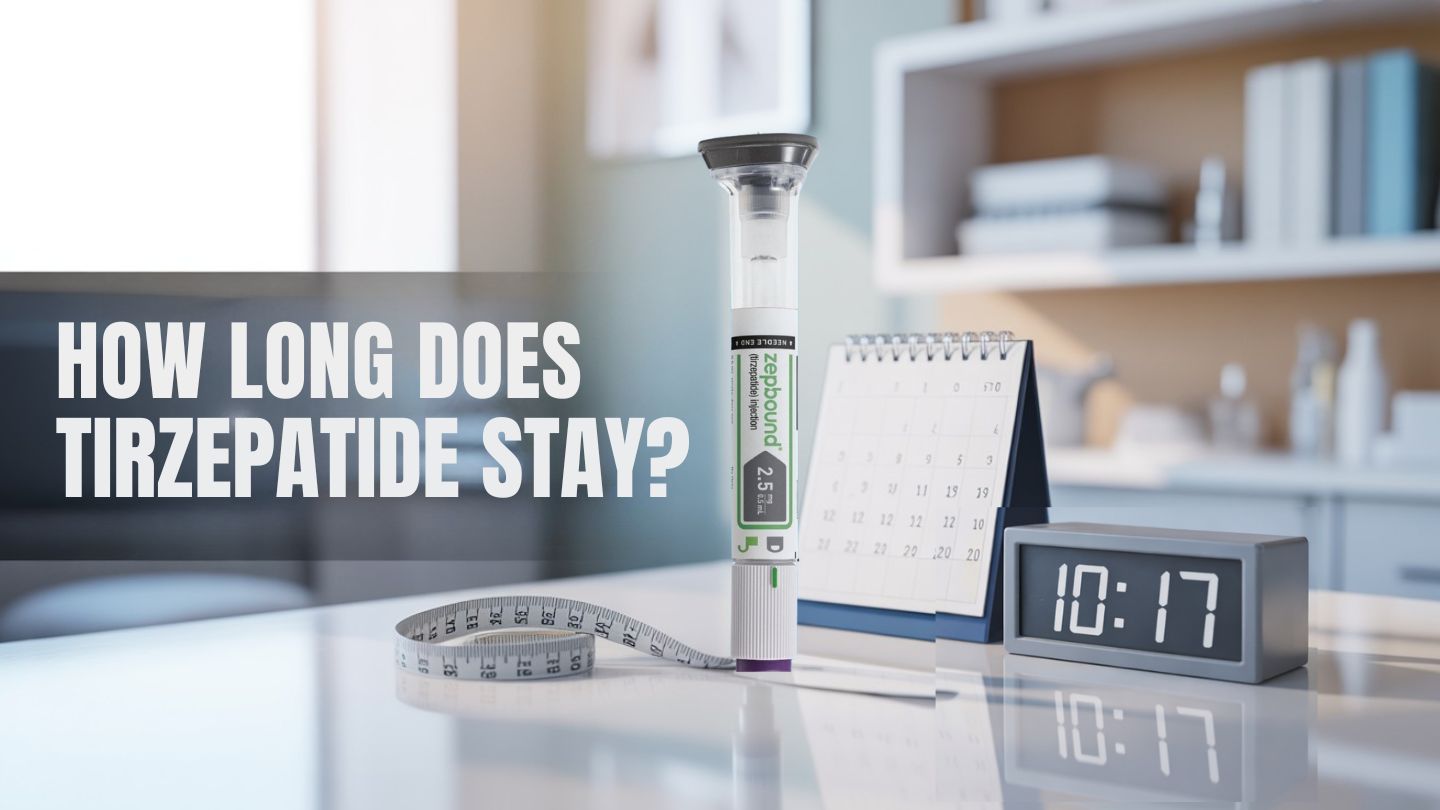
When starting a new weight management journey, understanding how your medication interacts with your body is crucial. Tirzepatide has emerged as a powerful tool for those seeking better health outcomes, but many patients have questions about its duration and effects. Specifically, people often ask: How long does tirzepatide stay in your system? Whether you are preparing for a medical procedure, considering a break in treatment, or simply curious about the drug’s half-life, knowing these details helps you make informed decisions about your health.
Understanding the Half-Life of Tirzepatide
To understand how long a drug remains in the body, we look at its half-life. The half-life of tirzepatide is approximately 5 days. This means that five days after your injection, half of the medication has been eliminated from your body. Because of this relatively long half-life, tirzepatide is designed as a weekly injection, providing steady blood sugar control and appetite regulation throughout the week.
It typically takes about five half-lives for a drug to be considered completely cleared from your system. Therefore, if you stop taking the medication, it may take around 25 to 30 days for it to be fully eliminated. However, trace amounts might remain for slightly longer depending on individual metabolic factors like kidney function and liver function.
This sustained presence is what makes it such an effective GLP-1 agonist (and GIP agonist), as it avoids the peaks and valleys often associated with daily medications. By mimicking hormones that regulate digestion, this injectable medication helps maintain consistent levels of appetite suppression.
How Tirzepatide Works in the Body
Tirzepatide is unique because it is a dual agonist. It targets both the glucagon-like peptide-1 (GLP-1 receptor agonist) and the glucose-dependent insulinotropic polypeptide (GIP) receptors. This dual action is significant for patients dealing with type 2 diabetes or obesity.
Upon administration via a tirzepatide injection, the drug begins to enhance insulin secretion while reducing glucagon levels. This mechanism is vital for stabilizing blood sugar levels and slowing gastric emptying. When your stomach empties more slowly, you feel full for longer, which naturally curbs your appetite.
For those comparing options, understanding the nuances between treatments is helpful. While some might look at the key differences between tirzepatide and semaglutide, the unique dual-agonist nature of tirzepatide often leads to more profound results in glycemic control and weight reduction.
Factors Influencing How Long It Stays in Your System
While the general rule is about 5 days for a half-life, individual physiology plays a role. Several factors can influence how long the medication lingers:
Dosage Levels
Whether you are on a lower dose (starting at 2.5 mg) or have titrated up to higher doses (such as 10 mg or 15 mg), the half-life remains consistent. However, with a higher dose, there is a larger absolute amount of the drug to clear, which might make it detectable for slightly longer.
Metabolic Health
Your metabolism determines how quickly substances are processed. Kidney function is particularly important because the kidneys help filter medications from the blood. If a patient has reduced renal function, clearance might be slower.
Consistency of Dosing
Steady-state concentrations, where the amount of drug entering the body equals the amount leaving, are typically reached after 4 to 5 weeks of once-weekly dosing. If you have been on the treatment for months, your body maintains a baseline level of the drug continuously.
Managing Missed Doses and Stopping Treatment
Life happens, and sometimes a schedule gets disrupted. If you experience a missed dose, the recommendation generally depends on how much time has passed. If it has been less than 4 days (96 hours) since your scheduled dose, administer the missed dose as soon as possible. If it has been more than 4 days, skip the missed dose and resume your regular schedule.
Do not take two doses within 3 days of each other. Taking doses too close together can lead to severe gastrointestinal symptoms or dangerously low blood sugar (hypoglycemia). Always consult your healthcare provider if you are unsure how to proceed.
If you decide to stop the medication, remember the 21-day to 30-day timeline for full elimination. During this washout period, the effects on appetite and blood glucose will gradually diminish.
Safety, Side Effects, and Precautions
As with any weight loss medication, safety is paramount. Common side effects usually involve the digestive system, including nausea, diarrhea, and vomiting. These often improve as your body adjusts to the dose. However, there are serious considerations to keep in mind.
Serious Risks
While rare, potential side effects can be severe. There have been reports of acute pancreatitis and gallbladder problems. Additionally, animal studies have shown a risk of medullary thyroid carcinoma, a type of thyroid cancer. Patients with a personal or family history of medullary thyroid carcinoma or Multiple Endocrine Neoplasia syndrome type 2 (MEN 2) should not take this drug.
Other concerns include potential risks for those with a history of breast cancer, though research is ongoing regarding hormonal influences. Be vigilant about allergic reaction signs, such as swelling or difficulty breathing, and seek immediate medical help if these occur.
Mental Health Considerations
Emerging discussions in the medical community also touch on mental health. While GLP-1 drugs primarily target metabolic health, rapid changes in body weight and chemistry can impact mood. It is essential to monitor your emotional well-being alongside your physical progress.
Understanding the full scope of tirzepatide and its weight loss benefits allows you to weigh these risks against the transformative potential of the treatment.
The Role of Lifestyle: Diet and Habits
Medication is a tool, not a cure-all. To maximize the effectiveness of compounded tirzepatide or brand-name versions, lifestyle changes are non-negotiable.
Nutrition Matters
A healthy diet supports the medication’s work. Since your digestion is slower, nutrient-dense foods become more important than ever. You might wonder about specific intake levels; knowing how many calories a woman should eat daily to lose weight provides a solid framework for meal planning.
Furthermore, monitoring sugar intake is vital for diabetes management and weight loss. Understanding guidelines on how much sugar a woman should have per day can prevent spikes in glucose that might counteract the medication’s benefits.
Building Healthy Habits
Incorporating healthy habits like regular physical activity, adequate sleep, and hydration supports your liver and kidneys in processing the medication. Weight management is a long-term commitment that extends beyond the weekly injection.
Storage and Handling: Expired Tirzepatide
Proper storage ensures the safety and efficacy of your GLP-1 medication. Store your pen in the refrigerator between 36°F and 46°F (2°C and 8°C). You can store it at room temperature for up to 21 days if needed, but never freeze it.
Never use expired tirzepatide. The chemical stability degrades over time, which can render the drug ineffective or potentially unsafe. Always check the expiration date before administration.
Medical Supervision and Monitoring
Navigating type 2 diabetes or obesity treatment requires a partnership with qualified healthcare providers. Regular check-ups allow your doctor to monitor blood sugar control, kidney function, and screen for any adverse effects like Mounjaro side effects (since Mounjaro is a brand name for tirzepatide).
Before starting, disclose all health conditions and current medications to avoid interactions. Medical advice is personalized; what works for one patient might need adjustment for another.
Final Thoughts
Tirzepatide represents a meaningful advancement in modern diabetes care and medical weight loss. Its extended presence in the body allows for convenient weekly injection scheduling and more consistent therapeutic effects. With a half-life of approximately 5 days, tirzepatide maintains stable levels in the system, supporting effective blood sugar control, appetite regulation, and steady progress toward weight goals. Understanding how long the medication remains active helps patients manage expectations, reduce interruptions in treatment, and maintain consistent results over time.
Success with medical weight loss goes beyond the medication itself. For individuals seeking tirzepatide weight loss in Spokane, long-term results are best supported by a comprehensive approach that includes lifestyle changes, ongoing communication with a healthcare provider, and a personalized treatment plan. Many patients also explore additional options such as Wegovy injection, Mounjaro, or semaglutide weight loss for women, depending on their individual needs. For those who prefer broader approaches, medically guided programs for non-surgical weight loss in Spokane can provide flexible and effective solutions tailored to overall health and weight management goals. If you’re looking for personalized guidance or have questions about starting your journey, I am here to support you every step of the way. Contact me today to schedule a consultation and take control of your health with expert-led, patient-focused care.