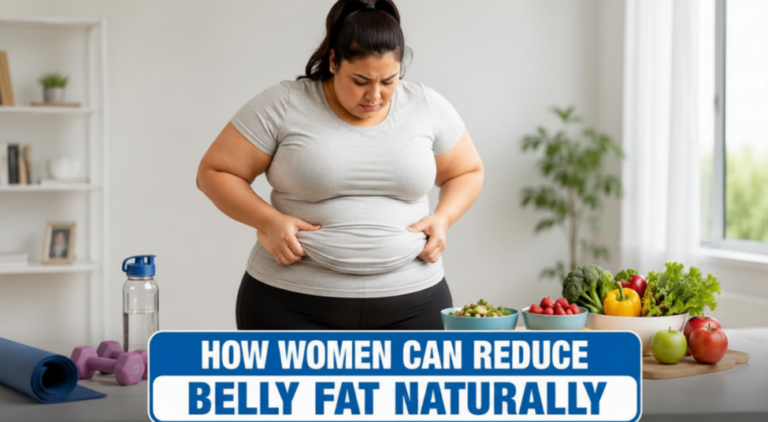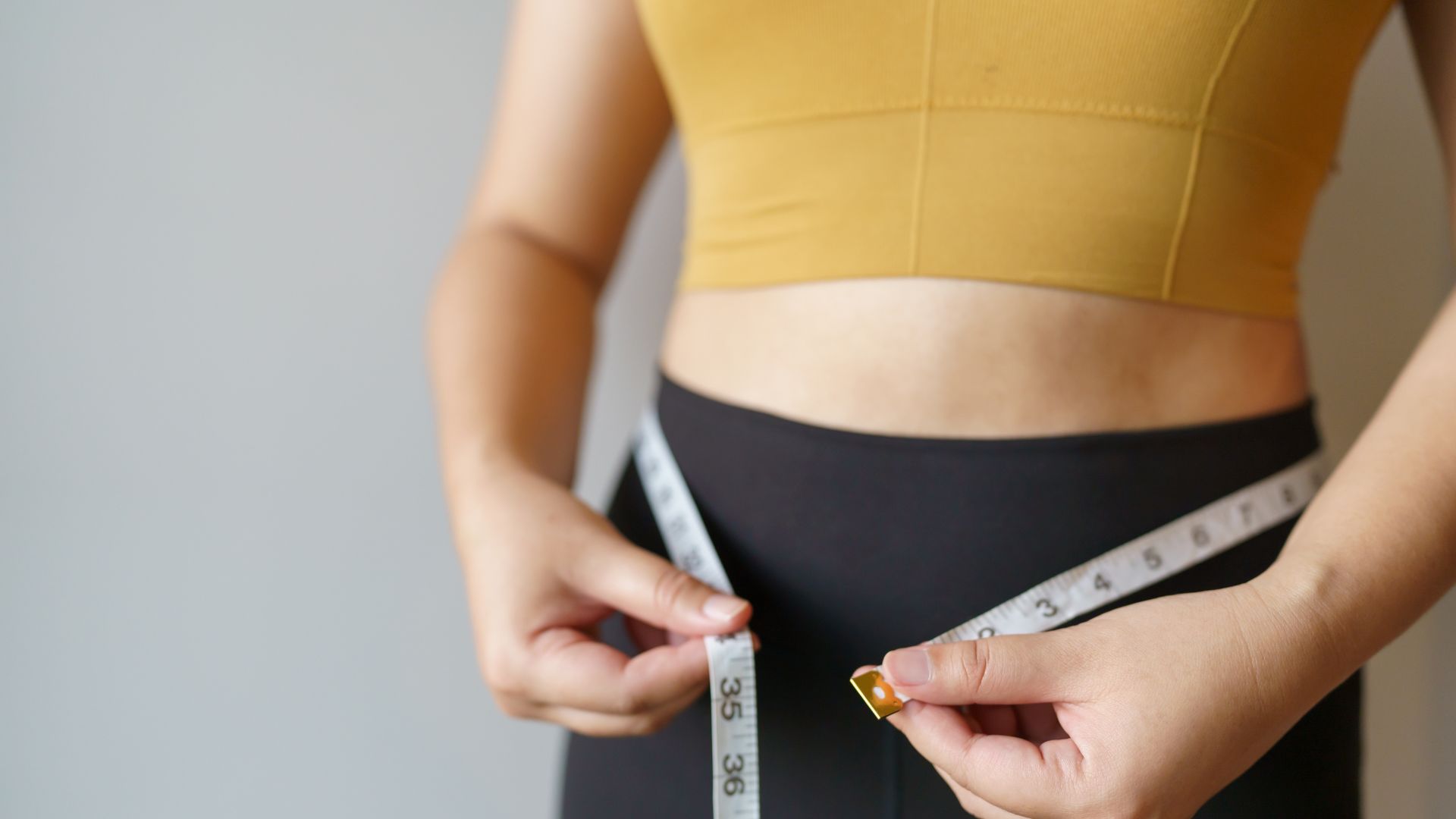
Losing weight at any age can be challenging, but once you hit your 40s, those challenges can seem even more daunting. Metabolic changes, lifestyle factors, and hormonal shifts all play a role in how your body processes food and stores fat. But don’t worry. With the right approach and mindset, it’s entirely possible to achieve and maintain a healthy weight. Here are seven tips to help you lose weight after 40.
1. Focus on Nutrient-Dense Foods
One of the most important steps you can take to support weight loss is to focus on nutrient-dense foods. The best weight loss diet for women over 40 provides essential vitamins, minerals, and other nutrients with relatively few calories. Think colorful vegetables, fruits, lean proteins, whole grains, and healthy fats like those found in nuts and avocados. Nutrient-dense foods help keep you full and satisfied while supporting your metabolism, making it easier to maintain a calorie deficit without feeling deprived.
2. Incorporate Regular Strength Training
Strength training isn’t just for bodybuilders—it’s essential for everyone, especially women over 40. As we age, we naturally lose muscle mass, which can slow down our metabolism. Incorporating regular strength training into your routine helps you maintain and build muscle mass, which in turn supports a healthy metabolism. Additionally, strength training is crucial for bone health, reducing the risk of osteoporosis. Aim for two to three sessions per week, focusing on all major muscle groups.
3. Prioritize Sleep and Manage Stress
Sleep and stress management are often overlooked but are crucial components of a successful weight loss plan. Poor sleep and high-stress levels can wreak havoc on your hormones, leading to increased hunger and cravings. Aim for 7-9 hours of quality sleep each night and incorporate stress-management techniques such as meditation, yoga, or even simple deep-breathing exercises into your daily routine. This will help balance your hormones, making it easier to manage your weight.
4. Stay Hydrated and Minimize Alcohol
Hydration is key for overall health and can aid in weight loss. Drinking enough water helps maintain your metabolism, aids digestion, and can even reduce cravings by helping you feel full. On the flip side, minimizing alcohol consumption can have a significant impact on your weight loss efforts. Alcohol not only adds empty calories but also affects your liver’s ability to metabolize fat. Aim to drink at least eight glasses of water a day and limit alcohol to special occasions.
5. Engage in Regular Cardiovascular Exercise
Cardiovascular exercise is essential for heart health and can help you burn calories, making it a vital component of any weight loss plan. Whether you prefer walking, running, swimming, or cycling, aim for at least 150 minutes of moderate-intensity cardiovascular exercise each week. Not only will this help you manage your weight, but it will also improve your overall fitness and well-being.
6. Practice Mindful Eating and Portion Control
Mindful eating is about being present and fully engaging with your eating experience. This means eating slowly, savoring each bite, and paying attention to hunger and fullness cues. Portion control is also crucial—over time, our portion sizes can creep up, leading to unintentional overeating. By practicing mindful eating and being aware of portion sizes, you can enjoy your meals more and avoid consuming unnecessary calories.
Read more: Top 3 Tips to Help You Avoid Overeating During the Holiday Season
7. Seek Professional Guidance and Support
Sometimes, the best way to achieve your weight loss goals is to seek professional guidance and support. A holistic approach to weight loss considers not just diet and exercise but also mental and emotional well-being. A qualified healthcare practitioner can help you develop a personalized plan that addresses your unique needs and supports you on your weight loss journey. Moreover, having a support system in the form of friends, family, or even an online community can provide accountability and motivation.
Wrapping Up
Losing weight after 40 may come with its own set of challenges, but with the right strategies, it’s entirely achievable. The good news is that research shoes that metabolism doesn’t take it’s biggest hit until after the age of 60. By focusing on nutrient-dense foods, incorporating regular strength training, prioritizing sleep and stress management, staying hydrated, engaging in cardiovascular exercise, practicing mindful eating, and seeking professional guidance through our weight loss programs in Spokane, you can reach your weight loss goals and improve your overall health.
Ready to start your weight loss journey? Schedule a consultation with me for womens weight loss in Spokane today! From creating a personalized diet plan to providing support and accountability, I’m here to help you achieve your goals and live your best life at any age. Remember, it’s never too late to take control of your health and well-being. Empower yourself and start making positive changes today! You’ve got this!