As we go through life, our bodies change in many ways. One of the most common changes that people experience is weight gain. Whether it’s due to lifestyle habits, hormonal changes, or simply the aging process, gaining weight is a natural part of growing older.
But at what age can you expect to see the biggest changes in your weight? Is there a specific age where you’re most likely to gain the most weight? In this blog, we’ll explore the relationship between age and weight gain, as well as provide tips on how to manage your weight at any stage of life. So, let’s dive in and learn more about this common phenomenon that impacts us all.
The Effects of Age on Weight Gain
As we age, our bodies go through various changes that can contribute to weight gain. One major factor is the decline in metabolism, which is the process by which your body converts food into energy. As we get older, our metabolism tends to slow down, making it easier for us to gain weight.
In addition to a slower metabolism, hormonal changes can also play a role in weight gain as we age. For women, menopause can lead to hormonal imbalances that can make it more difficult to maintain a healthy weight. To learn more about why women gain weight with age, you may check out this blog. Meanwhile, for men, a decrease in testosterone levels can also contribute to increased body fat.
But it’s not just biological factors that impact weight gain as we age. Lifestyle habits, such as a decrease in physical activity and an increase in sedentary behavior, can also play a role. As we get older, our bodies may become less active due to changes in work or family responsibilities, leading to a more sedentary lifestyle and potential weight gain.
Managing Weight at Any Age
While weight gain may seem inevitable as we age, there are steps we can take to manage our weight and maintain a healthy lifestyle. Let’s explore some tips for managing weight at different stages of life:
- In your 20s and 30s: During these years, it’s important to establish healthy habits that will set you up for success in the future. Focus on regular exercise, a balanced diet, and limiting your intake of processed foods and sugary drinks.
- In your 40s and 50s: As we enter middle age, women’s bodies experience more significant hormonal changes. Along with exercise and a healthy diet, it’s important to prioritize stress management and get enough sleep to support your body’s natural hormonal balance. Consulting with a healthcare provider to see if you are hormone replacement candidate is very helpful around the age of 40, along with increasing your protein to closer to 40% of your diet. We start to see major losses in lean muscle mass leading into this time frame around menopause.
- In your 60s and beyond: As we continue to age, it’s crucial to focus on maintaining muscle mass through strength training exercises and consuming enough protein in our diets. Additionally, staying physically active and incorporating low-impact activities, such as walking or swimming, can also help manage weight and maintain overall health.
Read More: Effective Weight Loss Management Strategies for a Healthy Lifestyle
Food for Thought
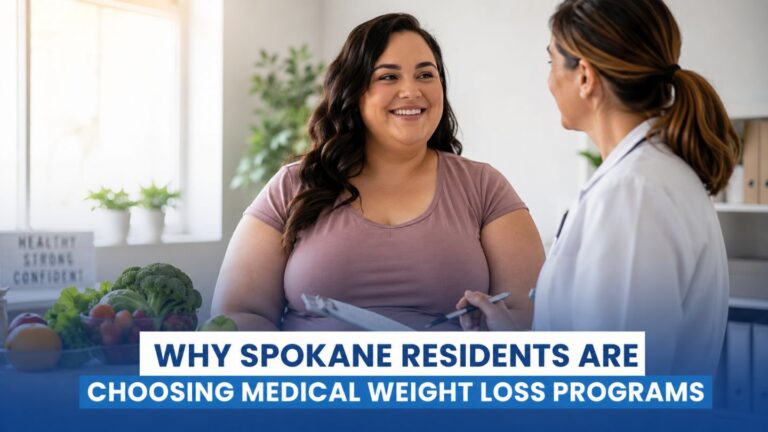
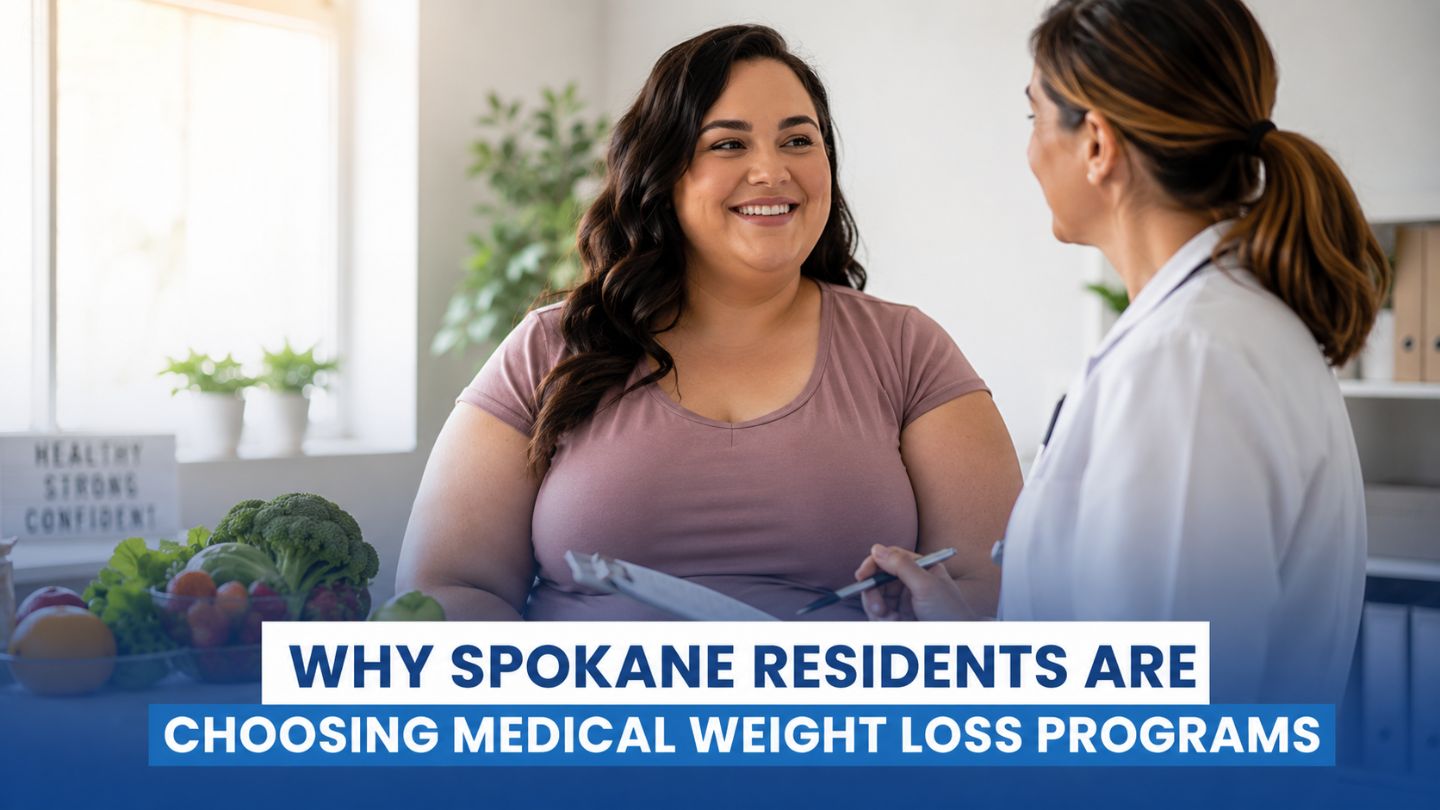
Weight gain may be a natural part of the aging process, but it doesn’t have to be something we simply accept. By following a healthy lifestyle and starting your weight loss journey with my program for medical weight loss in Spokane, we can take control of our weight and overall health. Remember, it’s never too late to make positive changes for a healthier future. So, let’s prioritize taking care of ourselves and enjoy the journey towards a happier, healthier life! In addition to our foundational weight-loss programs, we are proud to offer advanced treatments such as Semaglutide, Wegovy injections, and Mounjaro, specifically for women. Our comprehensive approach to medical weight loss ensures you have the medical support you need to reach your goals. If you’re ready to start your transformation, contact us today to learn more about how we can help.